
Essays & Interviews
From Nervous to Ready: Mastering the Kira Talent Interview
Kira Talent is an online interview platform that many universities use as part of their admissions process. This guide is here to help you shine in your virtual interview! We’ll cover everything you need to know to feel confident and make the most of your Kira Talent prep. Let's get started!
By the Zenith Education team

What is “Kira Talent,” and How Does it Help with Admissions?
Kira Talent is an online interviewing platform designed to make the admissions process a bit smoother for both candidates and institutions. It allows you to complete interviews from the comfort of your home, at your own pace, using a mix of text and video questions. Since participation is by invitation only, your school will let you know whether you'll need to use this tool, and it often comes before any in-person or Skype interviews.
When you take part in a Kira Talent interview, you won’t be speaking with live people. Instead, you’ll get a series of video and text questions that you can respond to with video or text answers (video for video questions and text for text questions). These interviews are great for showcasing your leadership potential, communication skills (both written and spoken), understanding of important concepts, motivations, and professionalism. The questions are randomly selected, so it’s always a bit of a surprise! You’ll have varying amounts of time to prepare for your answers; for video questions, you might have a little prep time, which can be anywhere from just 5 seconds to a couple of minutes. For text questions, you’ll jump right into typing your response. As for how long you get to answer, that can range from a quick 30 seconds to a few minutes.
After your interview, several reviewers will take a look at what you’ve shared, and your responses will be sent to the institution. Plus, Kira Talent has a neat automated system that checks the technical details of your written responses, like spelling and grammar. Each applicant gets a communication score based on these aspects relative to others, and that score, along with your video and text answers, will be sent off to the institution.
The Basics and Fundamentals of a Kira Talent Interview
If you’re applying to a school or program that uses Kira Talent and you’ve been selected, you’ll soon receive an email inviting you to pay for the online interview, along with a link to make that payment. Once you take care of that, look out for another email from Kira Talent with your invitation to access the interview and all the instructions you’ll need. Be sure to check your spam or junk mail folder just in case the Kira Talent email gets misfiled—you wouldn’t want to miss anything important!
Hang on to all emails from your school and Kira Talent until you’ve successfully completed and submitted your interview, as they contain essential information and next steps. You’ll also be given a deadline to finish your interview, so make sure to complete it on time—no extensions will be offered.
Between receiving your invitation and your interview due date, feel free to practice as much as you like on the Kira Talent website! You can work through practice questions, record your responses to video prompts, and review your performance—no limits or pressure! Just keep in mind that during the actual interview, you’ll have to answer each question in one go, just like a traditional in-person interview, so take your time and do your best. You'll be able to review your practice answers, but remember, you won’t be able to see your responses before submitting them during the real interview.
Getting Ready for Your Kira Talent Interview
Kira Talent interviews are very engaging, using both text and video questions! To make sure everything goes smoothly, you'll need to ensure a few tech basics are in place. First, you can take the interview comfortably from your home or anywhere you have a stable internet connection, and you can choose a time that works best for you. Just a heads up: make sure to use a laptop or desktop computer because phones and tablets (like iPads and Surface Pros) aren’t supported for this platform.
Before your interview, you’ll want to download the necessary software and check that it’s up to date. It's also a good idea to have a working webcam, microphone, and speakers ready, plus a reliable internet connection. If you can, try to avoid Wi-Fi since it can sometimes be a bit shaky and might interrupt your interview experience. Don’t forget to enable Flash on your computer and turn off any adblockers, notifications, and firewalls. Notifications can be distracting, and adblockers might block important pop-ups during the interview.
Once you’re informed about using this platform, you’ll get a URL to register with your email. After you sign up, you’ll find step-by-step instructions and even have a chance to test your computer, camera, and microphone in practice sessions. This way, you’ll feel more confident when it’s time for the real thing!
Typically, Kira Talent interviews last around 30-60 minutes, but the exact length and number of questions can vary depending on the institution. You can usually expect about 5-10 questions, with most taking 3-5 minutes to answer, though this might change a bit. The questions are random and will come in either text or video format.
Video Questions
When it comes to video questions, you’ll get to watch a short video and then have some time to think it over before recording your response. The time you get for preparation can change according to the institution, usually ranging from 30 to 60 seconds. After that, you’ll have additional time to record your answer, which is determined by the institution as well. Don’t worry about managing the camera during the interview; it will start recording automatically once your preparation time is up, as long as you’ve given permission for the site to access your camera. You’ll see a countdown on the screen to help you get ready!
Text Questions
For text questions, the question will pop up on your screen, and you’ll need to type your response right away. Just a little note: unlike video questions, there’s no preparation time for written responses, so you’ll jump right into organizing and typing up your answer.
Preparing for Your Kira Talent Interview

Getting ready for an online test or interview with Kira Talent can be a bit of a challenge, especially when you're in the comfort of your own home. It's easy to forget about some key professional details when you're surrounded by familiar noises and things you usually don’t notice. To help you shine during your interview, let's take a look at a few friendly tips that can make all the difference!
Dress for Success
First things first, let’s talk about what to wear! It’s important to choose clothes that make you feel like a true professional. Think about how you’d dress for an in-person interview—business casual is often a great choice, striking a balance between comfort and style. Keep it simple and breathable so you can focus on your interview rather than your outfit. Opt for neutral colors and fabrics that are easy on the eyes, and avoid flashy patterns that might distract on camera. Also, here's a little reminder: wear pants! It’s a funny stereotype that remote workers sometimes don’t wear appropriate bottoms, but you never know what could happen. Better safe than sorry, right?
Set the Scene
Next up is your interview backdrop! The space behind you speaks volumes about who you are, so try to choose a background that’s neutral or professional. A plain wall works wonderfully, or if you have a lovely, minimally decorated area, that’s great too—just make sure it doesn't distract from you. Keep anything cluttered or messy out of sight; you want to present a polished image! Think of this as an opportunity to show the best version of yourself.
Also, spend a little time arranging your computer or camera setup. The camera should ideally capture your head and shoulders, avoiding any awkward cropping. This way, you’ll be framed nicely on screen. You might need to elevate your laptop a bit, and that’s totally okay! Make sure you find a cozy, well-lit spot—natural light is your friend. Just remember to face the light, not have it behind you, or you'll end up looking shadowy.
Finally, check your posture! Sitting up straight not only makes you look more confident, but it’s easier for others to see you clearly. Most importantly, try to look into the camera when you’re sharing your thoughts. I know it can be tempting to glance at your own video feed, but focusing on the camera mimics real eye contact, which is super important in making a connection during your interview. Plus, it helps you come across as confident and engaged!
Tips for a Quiet and Focused Interview
To make sure your interview goes smoothly, it’s important to create a calm and quiet space. Here are som tips to help you minimize distractions:
- Let your friends or family know that you'll need a little quiet time for your interview. A heads-up can go a long way!
- If the TV or music is playing, go ahead and turn it off. And if others are enjoying their own entertainment in another room, try to make sure it won’t be picked up by your microphone.
- If you have pets, consider relocating them for the interview. We all love pets, but we don’t want any unexpected interruptions or vocal performances!
- Close any windows and turn off fans to avoid outside noises.
- If your place is near a busy road, see if you can time your interview when traffic is lighter. - Don’t forget to silence notification sounds on your computer. A quiet space helps keep the focus on you.
- For your phone, it’s best to turn it off or set it to silent—just remember that “vibrate” might still be audible with some microphones.
Creating a peaceful atmosphere not only feels more professional but also helps the interviewer focus on what you’re saying. And remember, when you practice with the Kira Talent system, it’s a great chance to test out these tips and ensure everything is in order.
Kira Talent Question Types
As we mentioned before, the questions in your Kira Talent interview are a bit of a surprise—they're presented randomly, and different institutions have different numbers of questions and time limits. However, there are definitely some things you can do to get ready in advance!
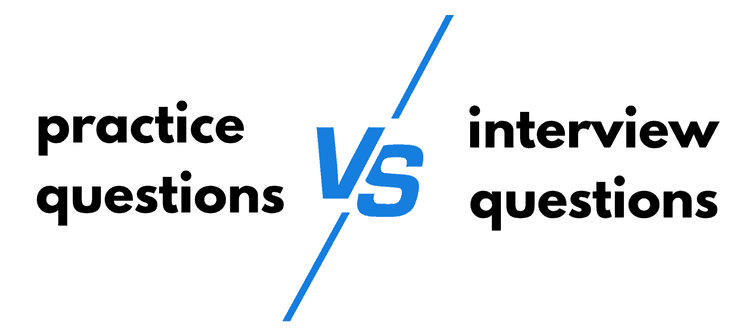
Kira Talent has some awesome practice questions available on their companion site, Kira Prep. Before we dive into that, let’s clarify the difference between practice questions and the real interview questions.
If you’ve received an invitation for a Kira Talent interview, you’ll find built-in practice questions once you log in. The best part? You can try these as many times as you want, and your answers won't be sent to the institution, so feel free to practice without any pressure! Plus, your responses are recorded, which is great because you can watch them to see what you might want to tweak. This is also a fantastic way to get comfortable with the platform and check that your camera and microphone are working well, so everything goes smoothly on the big day. Remember to pay attention to things like lighting, background, and noise—you want to present your best self! Watching your practice videos will help you catch any issues, so make good use of this opportunity!
If you’re preparing early and haven’t gotten an invitation yet, you can still start practicing with the sample questions below by just recording yourself with your webcam. It’ll help you get used to the recording process, learn to gaze into the camera instead of at the screen, and see how your outfit appears on camera.
There are a few key differences between practice questions and the actual interview questions. With the practice questions, you’ll have unlimited chances to try them out, but during the real interview, you only get one shot at each question. There’s no going back or re-recording. In practice, you can replay your responses to see how you did, but once the interview is done, you won’t be able to revisit your answers. Only the real answers go to the institution for evaluation. Also, keep in mind that the practice questions may not align perfectly with what you’re asked in the interview, and the times given for preparation and responses might vary, too. These details are up to each individual institution, so just be aware!
Kira Talent Sample Questions

Generally speaking, Kira Talent interview questions are designed to help institutions get a sense of your personal traits, soft skills, and overall fit with their mission and values. Like other evaluations such as CASPer or Multiple Mini Interviews, reviewers will be looking for qualities like leadership potential, communication skills, understanding of important concepts, and your motivation and professionalism. Here are some common questions you might come across in a Kira Talent interview:
- Tell me about yourself.
- What makes you a good candidate for our program?
- Mention a time when you had to adjust to a different culture or work style.
- Tell us about a time when you had to make a quick decision.
These questions are pretty common, so you might see them pop up! Other questions usually focus on your personal experiences, strengths, and teamwork skills. Here are a few more sample questions to practice with:
- How do you work under pressure?
- What is your greatest strength and weakness?
- If we asked a close friend or family member to describe you, what would they say?
- What does “leadership” mean to you?
- What professional skills do you excel in?
- What is your best achievement?
- Describe a recent dream you had.
- Tell us about a time you had to collaborate with others. What qualities do you think are needed for strong teamwork?
- How do you effectively prioritize when faced with multiple important tasks at once?
- Tell us about a time when you had to defend an unpopular idea or opinion. What was the outcome?
- What is your strategy when faced with a decision that must be made quickly?
- Tell us something about yourself that isn’t in your application materials.
- What three terms would you use to define yourself?
- Who is your role model?
- Tell us about your greatest strength and how it has helped you succeed.
- What factors contributed to your decision to apply for this program? List your top three.
- Please tell me about an experience where you led a team with very different individuals. What was the outcome?
- Outside of school and work, to what activity do you dedicate most of your time? Why is it important?
- Name a time you had a challenging conversation with someone who had a radically different viewpoint. How did you feel?
- What is one piece of advice you often give people but struggle to follow yourself?
- Describe the hardest news you have ever had to deliver.
- Describe a time when you delayed or sacrificed your own well-being for someone else.
- Name a time you had to do something you didn’t want to do. How did you motivate yourself?
- What are 3 key factors to be successful in your field?
- What is the best book you have read recently and why?
- What do you think today’s biggest social issue is and why?
- If you could eradicate one societal issue, what would it be and why?
- If you had an extra hour every day, what would you do with it?
- Tell me about a time when you went out of your way to help someone who wasn’t a friend or family member.
- What is your most significant community service contribution?
Tips for Tackling Kira Talent Questions
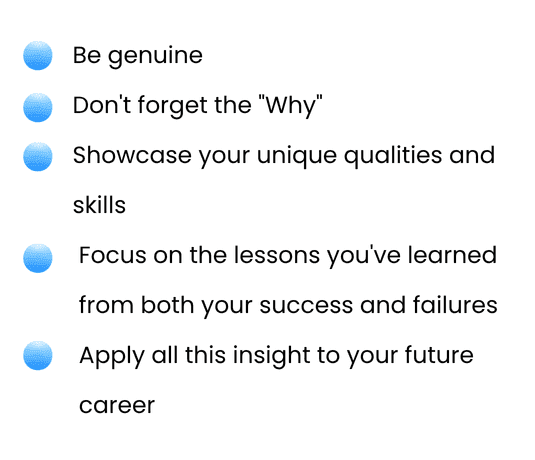
When it comes to personal questions in interviews—whether they’re in MMIs or traditional formats—there's a friendly approach you can take. Here are some simple strategies to keep in mind:
Be Genuine
Honesty is key! Even if you’re asked about something challenging, like your limitations or failures, it’s important to answer sincerely. If you’re asked about an experience and you haven’t had that specific one, it’s totally okay to say so. For example, if you’ve never defended an unpopular opinion, just share that. After being upfront about it, you can share how you would handle such a situation if it came up—what steps you’d take, how you'd think it through, and how you would stand your ground. Often, understanding your thought process is just as valuable as knowing what you did. For instance, if someone asks about a time you had to compromise, it’s more important to explain the steps you took to get there rather than the specifics of what you gave up. This focus on your approach reveals your qualities and values, which are super important during your evaluation.
Don’t Forget the “Why”
When asked questions like, “What’s the last book you read?” don’t stop at just the title. It’s a good idea to think about the implied “Why?” behind the question. The same goes for inquiries like, “Who is your role model?” It’s your opportunity to express your values and motivations. What lessons did you take from these experiences? When they ask about your reading habits, they’re often more interested in whether you read at all and how you choose to spend your free time. What kinds of ideas excite you when you have the choice? What traits do you admire in others that you’d like to develop in yourself? Understanding these underlying reasons can help you give a thoughtful answer, so be open and share your insights!
Showcase Your Unique Qualities and Skills
Every field has its own set of qualities and ideals that are important for professionals to have, and every institution has its own mission and values that it hopes its students will embody. If you’re not applying to a professional program like medical or law school, where skills are clearly outlined, you can still learn a lot by checking out the school’s mission statement. Every institution has one that shares its values and priorities. Take a moment to see which of these qualities resonate with you, and think about your own experiences in relation to them. Reflecting on your life story—something you should be doing as part of your application—along with these ideals can help you gather great anecdotes that illustrate how you’ve demonstrated and grown these qualities, providing a wonderful view of your personal and professional journey.
Focus on the lessons you've learned from both your successes and failures!
In interviews, it’s pretty common to face questions about your limitations, failures, challenges, and weaknesses. And let’s be honest, nobody’s perfect—not you, not me, and not even the interviewers! We all experience failure, and it's just part of the journey to success. If you want to succeed, you'll likely stumble along the way. It’s totally fine to be open about these limitations, as long as you can share what you’ve learned, how you’ve grown from those experiences, and why they've made you a better person today.
On the flip side, you’ll also encounter questions about your achievements, strengths, and what you feel proud of. It’s just as important to explain what you’ve gained from these successes. Instead of just saying you worked well with a team, share the details of how that collaboration happened, why it was effective, and what you took away from it. Interviewers often ask these questions to see if you reflect on your experiences and have that drive to keep pushing yourself to grow. If you achieve something but then stay stagnant, not using that success as a stepping stone for further growth, it might not show the self-awareness and desire for improvement that they’re looking for. It’s great to feel proud of what you’ve accomplished, but acknowledging that there’s always room to develop further will really show interviewers that you’re dedicated to lifelong learning and professional growth.
Apply all this insight to your future career!
It’s important to not only understand yourself better but also to show how this knowledge is relevant to the job you're aiming for. Learning from the past is fantastic, but if you can't connect those lessons to your future goals, they might not be as impactful.
Sample Answer with Expert Analysis
Let’s explore an example that puts these tips into action! Imagine I’m applying for a degree in education because I dream of becoming a teacher someday. A common challenge many applicants face—and one that often comes up in interviews—is knowing how to talk about limitations in an honest, reflective way. A well-rounded answer to this question shows you can reflect on a personal challenge, take action to address it, and understand its impact in a professional context. A strong example of a meaningful limitation is struggling to delegate tasks — something many high-achievers and emerging leaders face.
Start with a clear, honest story.
You could begin by introducing the limitation and offering a relevant scenario:
“One of the biggest challenges I’ve faced is learning how to delegate effectively. I used to believe that taking full ownership of a task meant doing everything myself, which led me to micromanage or avoid asking for help—even when I was part of a team. For instance, while leading a student-run conference, I initially tried to manage speaker coordination, logistics, outreach, and marketing on my own. I thought it would be faster and more efficient if I just handled everything personally. But as the event date approached, details started slipping through the cracks, and it became clear I couldn’t sustain the workload alone.”
Explain what you learned and how you adapted.
This is where you show growth:
“After a tough meeting where my co-organizers voiced their frustration, I realized I was holding the team back by not trusting others to contribute. I immediately scheduled a regroup, reassigned tasks according to each person’s strengths, and created a shared project tracker to stay aligned. Not only did the event come together smoothly after that, but the whole team felt more engaged and invested. It was a real turning point for me in understanding that effective leadership means creating space for others to lead too.”
Tie it back to your future goals.
Now, connect this experience to your long-term development:
“As someone planning to take on leadership roles in collaborative, fast-paced environments, I know that delegation isn’t just helpful—it’s necessary. Being able to trust teammates, share responsibility, and focus on strategic priorities is crucial to long-term success. I’ve since been intentional about practicing these skills—whether in group projects or internships—and I continue to challenge myself to balance quality control with team empowerment.”
Just think about all the great qualities that come through in that one answer! You’ve shown that you’re aware of your limitations, which means you’re open to learning and growing. You've shared some of the ways you’re working to get past those challenges, reflecting your eagerness to continue improving yourself. Taking something personal and explaining how it affects others shows you care about your responsibilities to both yourself and the people around you. Plus, emphasizing how important it is to work together and lean on each other when things get tough makes it clear that you value teamwork and recognize that you’re not the only one who can get the job done. All of these qualities are exactly what future professionals need, no matter what field they’re in! You don’t even have to spell out that you’re “team-oriented” or committed to “ethics” or “self-improvement.” Instead, you just demonstrate those values through how you answer the question!
Common Mistakes and Tips for a Kira Talent Interview
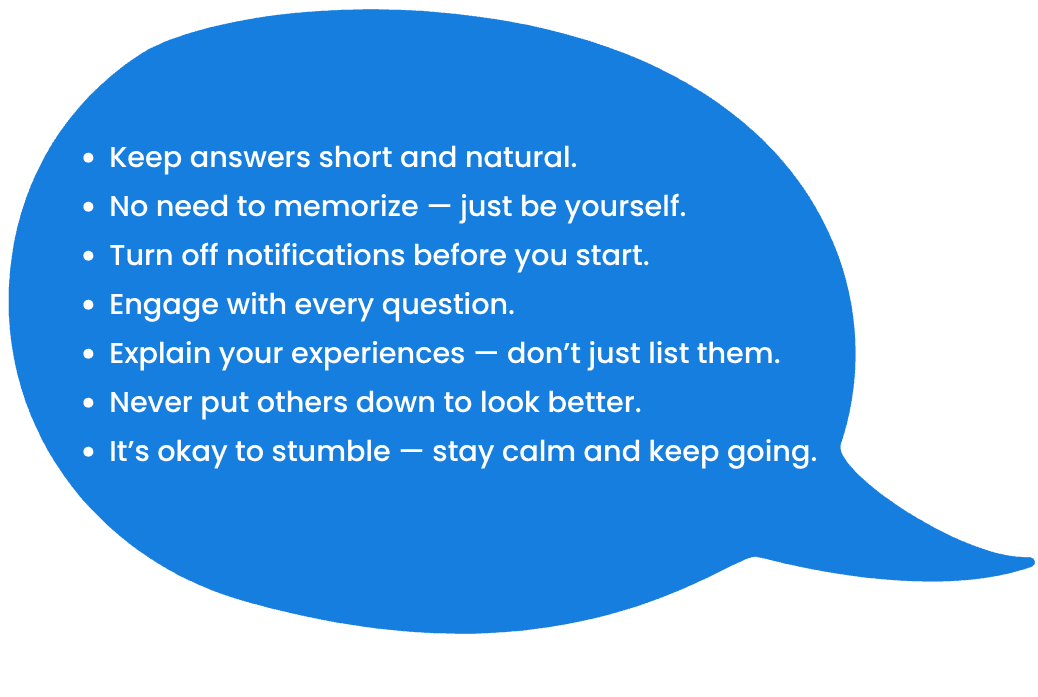
In any virtual interview, like those with Kira Talent, it's very important to think about how you present yourself and your responses—especially for those video questions! Typing your answers might seem helpful, but it can make you sound a bit stiff. Here are some “Don’ts” to keep in mind:
Try not to prepare long, written answers and read them aloud. This can come off as a little unnatural. Interviewers want to see the real you! Having a few notes or prompts is totally fine, but avoid writing out full sentences.
Also, don’t feel like you need to memorize your stories verbatim. It’s much better to know a few key points you want to share and speak from the heart. This way, you can adapt your responses based on the conversation and easily recover if you forget something.
Make sure to turn off email notifications and silence your phone before the interview. Background noises can be distracting, and you want to present yourself as professional and focused.
Don't forget to truly engage with the questions! Even if you have some great stories to share, you might need to think on your feet at times since you can’t predict every question.
When talking about your experiences, avoid just listing them out—explain why they’re significant for you! The institutions already have your application, so use this time to highlight what you've learned and how you’ve grown from your experiences. Instead of simply stating that you're a good leader, share an example that showcases your leadership skills and the impact you made.
Make sure to steer clear of putting others down to boost your own image. It’s great to talk about your achievements, but showing humility and a willingness to collaborate with others goes a long way!
And remember, it’s completely normal to stumble over your words or have a momentary lapse in thought. Reviewers get it—everyone has nerves! Just take a deep breath and carry on; showing that you can bounce back from little hiccups can demonstrate your resilience.
Next step
Planning a bachelor's application?
We support students from the first "what should I study?" to the day they arrive on campus, with strategy, application expertise, and global university insight.
See bachelor's guidanceKeep reading
Related guides
Want to find out more?
Message us on WhatsApp for a quick answer, or book a free consultation. No pressure either way.