
Destinations & Planning
Discover Your Future at a Canadian University
Thinking about studying in Canada? You're in good company—students from all over the world choose Canada for its high-quality universities, diverse programs, and welcoming atmosphere. Whether you're interested in studying in French, English, or both, Zenith Education is here to support you at every stage—from finding the right university to submitting a strong application.
By the Zenith Education team

Why So Many Students Choose Canada
Canada is a top destination for international students, offering high-quality education, multicultural campuses, and globally respected degrees. While many French-speaking students are drawn to universities in Quebec, such as McGill University, Concordia University, HEC Montréal, and Université de Montréal—where programs are offered in French, English, or both—there are excellent options across the entire country.
In Quebec, French citizens benefit from special agreements that significantly reduce tuition costs. For example, a French student at McGill may pay around $7,500 USD per year, while other international students typically pay $27,000 to $32,500 USD annually. This makes Quebec especially appealing for those seeking an affordable, bilingual education.
Outside of Quebec, provinces like Ontario, British Columbia, and Alberta are home to top-ranked institutions such as the University of Toronto, University of British Columbia (UBC), McMaster University, and the University of Alberta. These universities usually teach in English and offer a wide variety of programs in fields like engineering, business, life sciences, and the arts. Tuition for international students outside Quebec generally ranges from $14,500 to $32,500 USD per year, depending on the program and institution.
The application process is decentralized, meaning you apply directly to each university you're interested in, usually through their official websites. However, in Ontario, there's a centralized platform called the Ontario Universities’ Application Centre (OUAC). Applications typically open in the fall of your final year of high school, with deadlines ranging from January to April, depending on the university and whether you're applying for scholarships or competitive programs.
McGill University: Academic Excellence in the Heart of Quebec

McGill University is one of Canada's top universities and is often considered the best in Quebec! It stands out with impressive global rankings, coming in at 45th according to Times Higher Education and 29th in QS Rankings.
How Does the Admission Process Work?
The selection process at McGill focuses mainly on your high school grades and scores from an English language test (either TOEFL or IELTS). To apply, you'll need to send in a few things:
- Your official high school transcripts or report cards from the final two years of secondary education (or equivalent)
- Any national or regional exam pre-results required by your country’s education system
- Your TOEFL or IELTS score report
Key Application Deadlines
The usual deadline for applications is January 15, but don't worry! You can send in your supporting documents, like your report cards and English test scores, until March 1.
What Grades and Scores Do I Need?
Since McGill is quite selective, it’s important to have solid grades, with averages generally around 15 or 16. If you're aiming for the Bachelor of Commerce program, you'll want to score about 100 on the TOEFL or around 6.5 to 7 on the IELTS.
Concordia University: Flexible Options and a Vibrant Campus

This university is a fantastic choice for students looking to study in Quebec! With four faculties and over 300 bachelor's programs, there's something for everyone, especially if your academic average is around a 2.7 to 3.0 GPA (on a 4.0 scale). Plus, the renowned John Molson School of Business offers a variety of exciting programs in Management, Business, and Economics.
Wondering about the selection process? It's pretty straightforward! Concordia looks at your high school grades and your English test scores (like TOEFL or IELTS).
Here’s what you need to send in:
1. Official transcripts from 11th grade and the first term of 12th grade
2. Results from your national secondary school final exam preliminary assessments
3. Your English test score (TOEFL, IELTS, Cambridge, Duolingo, etc.)
4. A CV
5. Any additional motivation tests needed for your program
As for deadlines, mark your calendar! The application deadline is March 1. However, applying before February 1 can give you a better chance of being accepted. While the entrance requirements are a bit easier compared to McGill, it's still important to show you have a good command of English, with a minimum TOEFL score of 90 or an IELTS score of 6.5 to 7.
HEC Montréal: A Unique Business School Experience

HEC Montréal is a fantastic Business School that stands apart from universities like McGill or Concordia. Here, you have the exciting option to study in French, in a bilingual program combining French and English, or even in a trilingual setup that includes Spanish!
If you're interested in the Bachelor in Business Administration (B.B.A) program, there are two paths you can take:
- If you've just graduated with a Baccalaureate, you'll spend a preparatory year here, making it a total of four years of study.
- If you've completed a year of higher education (like a preparatory class or university) and have taken certain math courses (such as differential calculus, integral calculus, and linear and vector algebra), you can apply too!
To choose students, HEC Montréal mainly looks at high school grades, so it’s important to keep your grades up! When you apply, you’ll need to send in:
1. Your official transcripts from 11th grade and the first term of your final year.
2. Results from your anticipated final secondary school exams.
Make sure to get your application in by February 15! To be admitted, you’ll need an average of around 70% and to have completed your math courses in your final year.
University of Toronto: Canada’s Academic Powerhouse
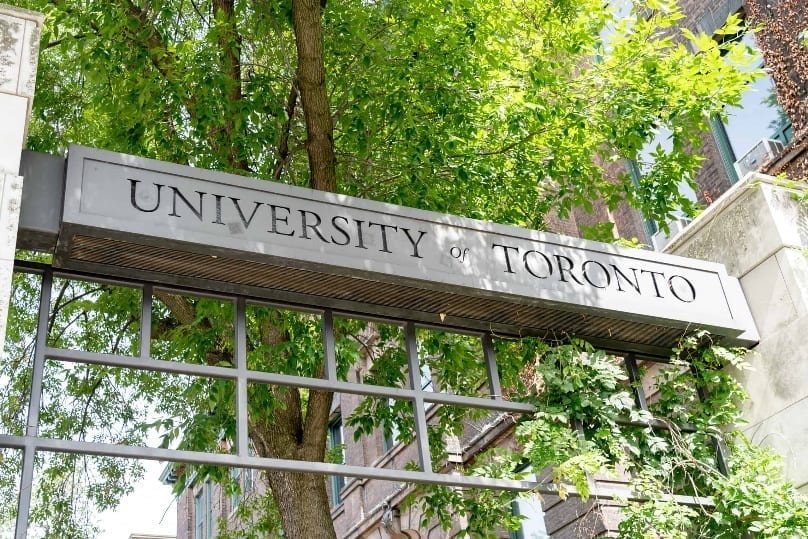
The University of Toronto (U of T) is one of the most prestigious universities in Canada—and the world! Ranked consistently among the top 25 globally, U of T offers a wide range of bachelor's programs and is especially strong in business, engineering, computer science, and life sciences.
How Does the Admission Process Work?
Admission to U of T is highly competitive and primarily based on your academic performance in high school, especially in your final two years. Here's what you’ll typically need to submit:
Your official high school transcripts (with grades from 11th and 12th grade or equivalent)
Final or anticipated results of national or regional exams (e.g., French Baccalaureate, A-levels, IB)
Proof of English proficiency (TOEFL, IELTS, or Duolingo English Test)
Some programs—like Engineering, Commerce (Rotman), and Computer Science—may require additional documents like a Supplementary Application Form (SAF), a video interview, or a résumé.
Key Application Deadlines
The application deadline is usually January 15, but supplementary documents may be due in early February. It’s a good idea to apply early to be considered for scholarships.
What Grades and Scores Do I Need?
Most programs require strong academic averages—typically around 85–92% (or higher) depending on the faculty. Competitive programs like Rotman Commerce or Computer Science may expect even more. For English proficiency, aim for a TOEFL score of 100+ or an IELTS score of 6.5 to 7.0.
Study by the Ocean at UBC, Vancouver’s Star University

Located in beautiful Vancouver and consistently ranked among the top 40 universities worldwide, UBC is especially popular with international students. It offers a world-class education and breathtaking natural surroundings.
How Does the Admission Process Work?
UBC evaluates students based on their academic record and personal profile. That means both your grades and your extracurricular involvement matter.
You'll need to submit:
Official high school transcripts
Final or predicted results from national exams
Proof of English proficiency (TOEFL, IELTS, or Duolingo)
A Personal Profile (written responses to specific questions about your experiences and goals)
Key Application Deadlines
Applications open in October and the deadline is usually January 15. The Personal Profile is due at the same time, so don’t leave it for the last minute!
What Grades and Scores Do I Need?
A competitive average is typically around 85–90% or above, depending on the faculty. Business, Engineering, and Science programs tend to be more selective. For English, aim for a TOEFL score of 90–100+ or IELTS 6.5 to 7.0.
McMaster: Canada’s Top Choice for Health Sciences
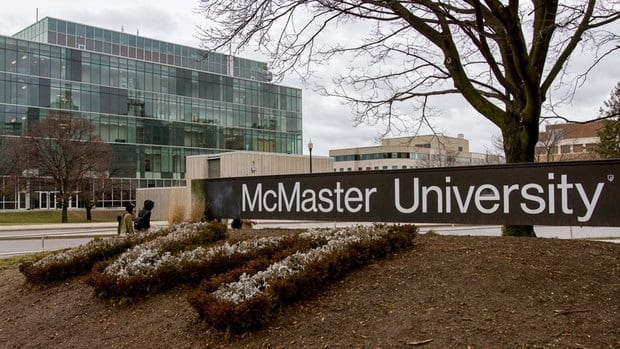
Based in Hamilton, Ontario, McMaster is internationally recognized for its medical school and strong programs in health sciences, engineering, and business. It ranks in the top 100 universities worldwide.
How Does the Admission Process Work?
McMaster looks closely at your academic record, especially in subjects relevant to your program of interest.
Here’s what to prepare:
High school transcripts (including grades from 11th and 12th grade)
Final exam scores or national qualifications (if applicable)
English language test results (TOEFL, IELTS, or equivalent)
Some competitive programs, like Health Sciences or Integrated Science (iSci), require supplementary applications or essays.
Key Application Deadlines
Applications are due around January 15, and some supplemental components may be due by mid-February.
What Grades and Scores Do I Need?
For most programs, aim for an academic average of at least 85%, though programs like Health Sciences can require 95%+. For English, a TOEFL score of 86–100 or IELTS 6.5–7.0 is usually acceptable.
University of Alberta: The Hidden Gem of the Prairies

Located in Edmonton, the University of Alberta is one of Canada’s top research universities, offering strong programs in engineering, science, agriculture, and business. It’s especially known for its welcoming campus and affordability compared to other major universities.
How Does the Admission Process Work?
UAlberta offers rolling admissions, which means the earlier you apply, the better your chances.
You’ll need to submit:
Official transcripts with your most recent grades
Predicted or final results from your national curriculum (IB, A-levels, Baccalaureate, etc.)
Proof of English proficiency (TOEFL, IELTS, or Duolingo English Test)
You can apply for up to two program choices on one application.
Key Application Deadlines
Applications open in October and remain open until March 1, but earlier applications are encouraged, especially if you're applying for scholarships (some deadlines are in early January).
What Grades and Scores Do I Need?
The required average depends on the program, but 75–85% is a common range for admission. Engineering, Business, and Science tend to be more selective. For English, aim for a TOEFL score of 90+ or IELTS 6.5+.
How Zenith Helps You Succeed in Canada
At Zenith, we’re here to make your admission journey in Canada smooth and enjoyable! Our friendly team of experts in bachelor's admissions is ready to support you every step of the way. Here’s what we’re happy to offer:
- Help you find the perfect program that fits your goals
- Support you in crafting amazing essays and cover letters
- We’ll support you in putting together an awesome CV.
- We’re here to assist you with all the necessary paperwork and administrative steps.
- Looking to ace the TOEFL or IELTS exam? We can guide you through your preparation.
Let’s work together to make your application stand out!
Next step
Planning a bachelor's application?
We support students from the first "what should I study?" to the day they arrive on campus, with strategy, application expertise, and global university insight.
See bachelor's guidanceWant to find out more?
Message us on WhatsApp for a quick answer, or book a free consultation. No pressure either way.