
Destinations & Planning
The UK Experience: Elite Education, Infinite Possibilities
Over the past fifteen years, England has become a popular destination for international students, and it's easy to see why!
By the Zenith Education team

UCAS: Your Secret Weapon for Applying to UK Universities
Why Everyone’s Flocking to Study in the UK (And Why You Should Too!)
Over the past fifteen years, England has become a popular destination for international students, and it's easy to see why!
English universities are well-known for their high quality while still being relatively easy to get into. For instance, Imperial ranks 2nd, UCL is 9th, King’s is 40th, and LSE is 50th in the QS World Rankings. The application process leans heavily on academic records, which makes it a bit less stressful than competitive exams.
Plus, studying in England opens up amazing job opportunities. With high salaries and a low unemployment rate (just 4% in the UK, plus a high GDP per capita), it’s a great place to build your career. Students also enjoy a fantastic quality of life, whether on the beautiful campuses of Exeter, Bath, and Warwick—with awesome sports facilities and a lively student scene—or in exciting London, which is just a quick two-hour train ride from Paris.
If you’re looking to study in the UK, you'll want to apply during your final year using the UCAS platform, which allows you to apply to up to five university programs.
UCAS Cheat Sheet — Dates and Deets You Absolutely Can’t Forget
Things to Know:
- You can choose up to five programs (only four for medicine and veterinary science).
- The universities won’t see your list of choices.
- There’s no ranking among your selections!
Important Dates:
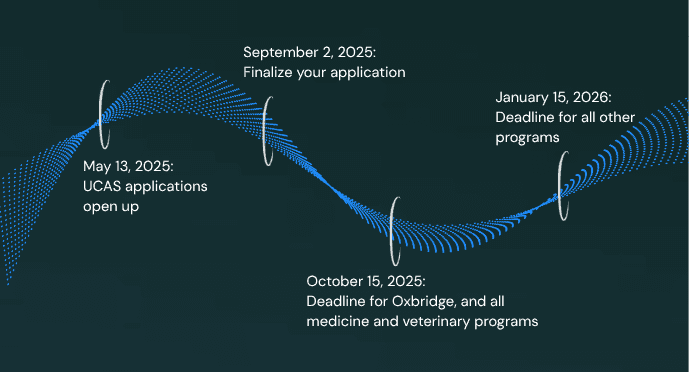
- May 13, 2025: UCAS applications open up.
- September 2, 2025: Time to finalize your application.
- October 15, 2025 (6:00 PM UK Time): Deadline for applications to Oxford, Cambridge, and all medicine and veterinary programs.
- January 15, 2026 (6:00 PM UK Time): Deadline for all other programs.
What Do Universities Look For?
- Your Personal Statement (this is your chance to shine!).
- Your predicted grades from your last year of high school.
- A recommendation letter from a teacher.
- Your English language scores (like TOEFL, IELTS, or Cambridge).
For some special programs, additional tests (like LNAT for law or STEP for mathematics) and interviews might be required.
Get on UCAS & Pick Your Perfect Five (Or Four for Meds!)
First things first, create an account on UCAS. You can select up to five programs, whether they’re at different universities or all at one. Make sure your choices make sense together, as you’ll need to explain all of them in your Personal Statement. It’s best to stick to programs within the same field (like Economics, Mathematics, Management, or Law) so that your application feels cohesive.
For example, a student interested in Psychology could choose:
- BSc Psychology at the University of Edinburgh
- BSc Psychology at University College London (UCL)
- BSc Psychology at the University of Manchester
- BSc Psychology and Language Sciences at King’s College London
- BSc Psychology at the University of Bristol
Once you've picked your programs and filled in your personal details on UCAS, there are a few other components to complete for your application.
What’s the University Looking For? The Real Deal on Personal Statements, Grades & More
To wrap up your application, you'll need to:
1. Complete registration and provide your personal information.
2. Show proof of your English skills (a certain TOEFL or IELTS score, depending on the schools you’re aiming for).
3. Craft your Personal Statement.
4. Enter your predicted grades and add your letter of recommendation on UCAS.
There are two ways to handle the recommendation letter and predicted grades:
1. If your school is involved in the UCAS process (common with bilingual or international schools), you can connect your application to the school using a special password (the “buzzword” they give you). This makes things easier since the school can directly submit your recommendation and grades.
2. If your school isn't linked to UCAS, you’ll handle it on your own. In this case, you’ll want to ask one of your teachers—your “referent teacher”—to fill out two sections on the platform:
Your Letter of Recommendation: This letter is crucial for your application, so it's a good idea to choose a teacher you get along with well and who knows your strengths in their subject. Make sure to discuss your letter with them, so they really emphasize your academic achievements, personality, and potential. Sometimes, teachers may even ask students to write a draft of the letter for them, which they can then tweak and sign. If you want some tips on what to include in the letter, just let us know!
Predictive Baccalaureate Grades: Your teacher will also need to give their predictions for the grades they think you’ll get in each subject, as well as your overall average. These predicted grades are very important since your report cards won’t be included with your UCAS application. They’ll be the main way universities assess your academic level. Just a heads up: your teacher will have to predict grades for all subjects, even those they don’t teach, so they might need to check your report cards and chat with other teachers to give fair estimates.
Every university has its own criteria for offers, and they’ll be looking for specific grades. For example, if the University of Edinburgh requires a minimum of B grades in Biology for its BSc in Biomedical Sciences program, but your teacher predicts a C, you might not receive an offer from them. But don’t lose hope! A fantastic "Personal Statement" can sometimes balance out those slightly lower predicted grades. You've got this!
The Personal Statement: Your Time to Shine Like a Superstar
Since many applications can look pretty similar, it can be tough to spot the differences between comparable predictive scores and standard reference letters. That’s why the selection committees will really pay attention to the quality of your Personal Statement when choosing candidates.
Your statement will need to stay within 4000 characters and 47 lines. It will be shared with the admissions panels for all five programs you’re applying to and should reflect your genuine interest in the subject, backed up by examples and evidence. Don’t forget to also highlight your extracurricular activities, initiative, and academic strengths! A good approach is to spend the first two-thirds of your statement discussing the program itself, and then dedicate the last third to your personal achievements.
Try to strike a friendly balance in your tone. Avoid going too deep into technical details or referencing overly complex readings—it’s important to sound authentic and relatable since you’re just 18. At the same time, don’t be too surface-level; you want to show you’ve really thought about your interest in the subject.
Also, remember that you’re submitting the same letter to all five choices, so make sure they are fairly similar programs. If they aren’t, your Personal Statement might not resonate well with some applications, or you could end up being too general if you cover too much ground, which could hurt your chances.
English Tests: TOEFL, IELTS & Friends
If you're planning to apply to a British university, you'll need to provide a score from a standardized English test, like the IELTS or TOEFL. While there are other options, such as the CAE (Cambridge Advanced Certificate) or OET (Occupational English Test), that some programs accept, sticking with TOEFL or IELTS guarantees that your score will be recognized everywhere.
Getting ready for these tests does take some time and effort, even if you're already pretty good at English. One of the biggest hurdles is getting to know the test format inside and out. For example, the TOEFL has four sections: Reading, Listening, Speaking, and Writing. Each one is unique, covers familiar topics, and has its own scoring criteria.
So, to score well on these tests, it’s important to not only have a solid grasp of English but also to understand what's expected in each section and to prep effectively.
After You Hit ‘Submit’: What’s Next?
A few weeks after you submit your application (due in January), you’ll hear back from the universities! They’ll let you know if you’ve received an offer, and these will depend on you hitting certain grades on your final exams. Think of these as conditional offers.
For instance, if the University of Manchester offers you a place, they might say, “Congratulations! You just need to achieve ABB at A-Level, including a B in Mathematics and a C in English.” If you meet those conditions, you’re all set to start the program!
Once you've got all your replies, you’ll need to pick two offers:
- The first one is your firm choice, the one you promise to accept if you meet the conditions.
- The second one is your backup, which should have more relaxed requirements, just in case things don’t go as planned in your finals.
When making your picks, be smart! Choose a second choice that’s prestigious enough that you’d be happy there, but make sure the conditions are different enough from your first choice to avoid ending up with nothing.
And if by July you don’t quite hit the grades you need, don’t worry! You can still try to negotiate with the university. It might be a bit tricky and doesn't always guarantee a yes, but you can submit extra materials like essays, cover letters, or reference letters to strengthen your case.
Stuck or Overwhelmed? Chill, We’ve Got Your Back!
At Zenith, we’re here to make your King’s College admission process smooth and enjoyable! Our friendly team of experts in bachelor's admissions is ready to support you every step of the way. Here’s what we’re happy to offer:
- Help you choose your top 5 university choices with confidence
- Crafting a standout Personal Statement that reflects your unique story
- Support with all the necessary administrative tasks
- Preparation for the TOEFL or IELTS exam to boost your confidence
- Coaching to ace any motivational interviews
Let’s work together to make your application stand out!
Oxford & Cambridge — The Crown Jewels of UK Education
Meet the Colleges: Where You’ll Live, Learn & Make Lifelong Friends
When applying to universities like Oxford and Cambridge, you'll actually be choosing a specific 'college' where you'll live and study during your degree. Each college has its own vibe and community, which can make your experience unique!
Don’t worry too much about which college you pick; your chances of getting in aren’t influenced by your choice. If a college has too many great applicants in one year, the university can help balance things out by moving some applicants to other colleges. Plus, the college you end up in won’t impact the prestige of your degree or the quality of teaching you receive. Classes are shared, and you’ll also have small group sessions—called supervisions at Cambridge and tutorials at Oxford—with professors from different colleges.
That said, your college choice can shape your day-to-day life! Some colleges are more centrally located, while others might have fantastic sports facilities. Think about what matters most to you when making your decision. Also, keep in mind the college’s academic focus; for example, a college that primarily accepts humanities students will feel different from one that leans towards computer science.
And here’s something to know: Cambridge has "women-only" colleges that are super popular with female students. These colleges offer a welcoming atmosphere that’s anything but conservative or restrictive, so you can feel right at home there!
How to Get In: The Oxbridge Admissions Adventure
If you're thinking about applying to Oxford or Cambridge, remember to get your UCAS application in by 15 October! The first part of the selection process is similar to other universities in England. They’ll look at your academic profile, which includes your predicted grades, an English test, recommendation letters, and a personal statement. Plus, Oxbridge has a special twist: you’ll also need to take the TSA (Thinking Skills Assessment), a logical reasoning test that comes after you submit your application.
If you're eligible, you’ll get invited for interviews! Usually, the first interview is all about testing your reasoning skills, where you might tackle some logic questions and share your thought process out loud. The second interview usually dives into your enthusiasm for the subject, where you’ll chat about the topics in your Personal Statement and your views on current issues.
For example, during a Philosophy, Politics, and Economics (PPE) application interview at Oxford, candidates can expect to engage with interesting logical puzzles and tackle ethical dilemmas, all without needing any specialized background knowledge. In a follow-up interview, the focus might shift to discussing political theories and economic concepts through problem-solving and critical discussions.
What really catches the admissions panel's eye is how well candidates can reason clearly and engage thoughtfully with complex ideas. As the interview wraps up, candidates might find themselves reflecting on real-world issues like justice, governance, or economic inequality. It’s truly an exciting and intellectually stimulating experience!
The Offer: What It Takes to Join the Elite
If you manage to impress the admissions panel, the university will offer you a conditional place based on your final exam results! For example, this might mean achieving an overall average of 90% and a top grade in a key subject like Mathematics. Keep in mind that offers can vary between institutions and may change from year to year. Admission requirements—like extra essays or IELTS scores—can also vary, so it’s really a good idea to check the college's website for the latest info instead of just relying on the department pages.
Also, remember that the admissions process is pretty decentralized. This means that a small group of academic officers who handle your subject at your college will be looking at your application.
The UK’s Top Universities — Which One’s Your Vibe?
Science Royalty in London: Welcome to Imperial!
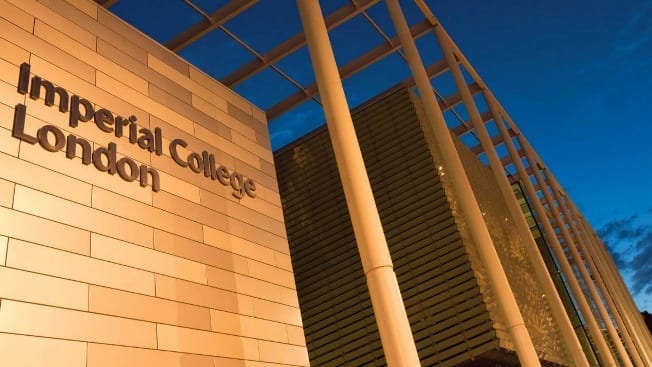
This university is ranked 9th in the world by Times Higher Education (THE) in 2025! With a vibrant community of over 125 nationalities, it’s a melting pot of cultures right in South Kensington, London. If you’re interested in science, you’ll find a fantastic range of programs here, making it one of the best scientific universities around. Plus, there are over 350 clubs and associations to explore, along with a lively student body of more than 20,000!
If you’re thinking about applying for a Bachelor’s degree, you’ll need to go through the standard UCAS process. Generally, universities expect a strong final exam score—around 75-80% and good marks in English tests—aim for around 6.5/7 in IELTS or 90/100 in TOEFL. Just like other universities, your application will go through the UCAS platform. And if you’re keen on some math programs, don’t forget that you’ll need to take the MAT (Mathematics Admissions Test) to show off your skills.
Future Leaders Wanted: Discover the Power of The London School of Economics and Political Science (LSE)
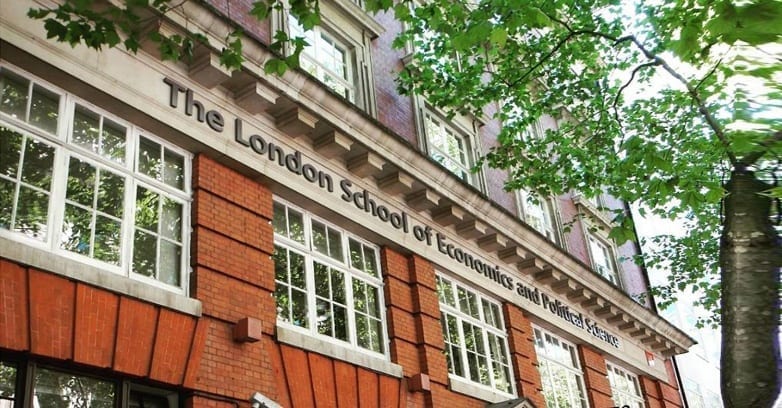
This university is ranked 50th in the world by QS Rankings and 4th in the UK according to the Guardian's Best UK Universities 2025! Nestled in Holborn, just a stone's throw from the City of London, it's famous for shaping future leaders in business, politics, and media. With over 250 clubs and associations, there’s something for everyone, and you’ll be joining a vibrant community of more than 11,000 students from over 140 different nationalities!
Getting into the LSE is competitive, so you'll need a Baccalaureate score between 15 and 17 and a solid score on English tests (around 7 to 7.5 in IELTS or 100 to 105 in TOEFL). Like most universities, you’ll submit your application through the UCAS platform.
Global City, Global Campus: Why Everyone Loves University College London (UCL)
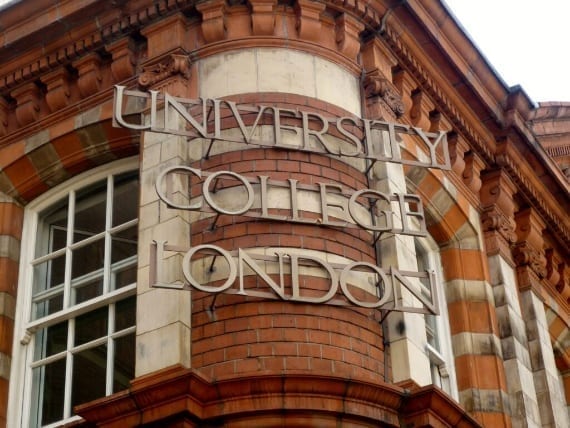
UCL is a prestegious school ranked 22nd in the world by Times Higher Education (THE) in 2025 and 9th by QS Rankings! Located right in the heart of London, close to Fitzrovia and King's Cross, it offers an exciting variety of programs, with over 400 bachelor’s degrees to choose from.
With nearly 40,000 students, about 53% of whom come from all over the globe, there's a lively community featuring more than 300 clubs and associations to get involved in. Plus, first-year students can take advantage of great residence and catering services.
UCL is a bit selective, so while some programs are more accessible, getting into the most popular bachelor’s degrees usually requires strong final exam results—usually equivalent to a score between 75% and 85% or high grades in your national qualification. Don't forget that you'll also need a solid score on English tests—typically around 6.5 to 7 in IELTS or up to 109 in TOEFL for some courses. It’s a fantastic place to grow and learn!
Big Ideas by the Thames: The Buzz at King’s College London
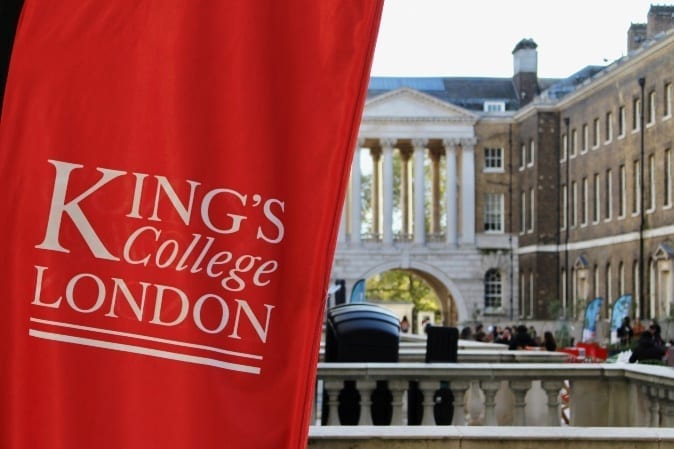
This university is ranked 36th in the world by Times Higher Education. It's located right by the beautiful River Thames and just a short walk from Trafalgar Square. Known for its vibrant atmosphere, it’s a really great place for students to engage in conversations and debates, with tons of student organizations and Think Tanks thriving on campus.
With over 150 clubs and associations, there’s something for everyone! Almost 35,000 students from more than 150 nationalities call this place home. Plus, the university encourages you to explore the world by offering a variety of exciting exchange programs with some amazing partner universities.
When it comes to applying for a Bachelor’s degree, you’ll do it through UCAS, following the typical steps. Generally, King’s looks for strong final exam results equivalent to around 80%, though for some programs, the requirement can be slightly lower, closer to 70%. Don’t forget to show off your English skills too—an IELTS score between 6 and 7 or a TOEFL score between 90 and 100 will do the trick.
Study, Sport & Social Life at Warwick
Warwick University is ranked 106th in the world by Times Higher Education and recognized in the top 100 for 16 different subjects like mathematics, economics, and law. Just a short drive from Coventry and only two hours from the hustle and bustle of central London, the beautiful campus covers 290 hectares and comes with some awesome sports facilities!
With nearly 30,000 students from over 115 nationalities, there’s a vibrant community. You’ll find more than 300 clubs and activities to join, including 64 sports clubs, perfect for making friends and staying active—all while living on campus!
If you're aiming for a spot in the highly sought-after Business School, be prepared, as they’re quite selective. You’ll typically need to have excellent final exam results—equivalent to a high distinction or top-tier grades in your country’s national qualification. Don’t forget to show off your English skills too, with an IELTS score between 6 and 7 or a TOEFL score of 90 out of 100. It’s all worth it for an amazing experience at Warwick!
A Campus with Views: Life at the University of Bath
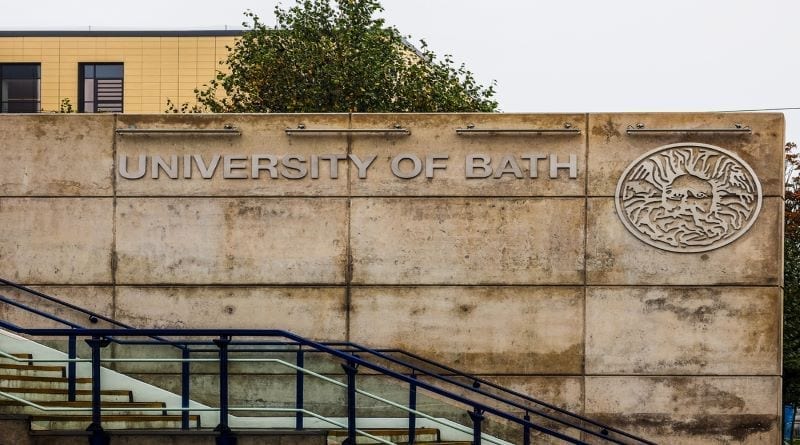
The university is ranked 150th in the world by QS Rankings and 7th in England according to the Guardian's 2025 report! It's nestled just a short distance from the beautiful city of Bath, a UNESCO World Heritage Site, and only about three hours from London. With 48 sports clubs to join and a vibrant community of almost 19,000 students from over 130 nationalities, there's always something happening on campus!
If you're looking to apply, keep in mind that the School of Management has some of the most competitive programs. They usually expect strong final exam results—equivalent to high honors or top-tier grades in your country’s national qualification. Plus, you'll need to show your English skills with an IELTS score between 6 and 7, or a TOEFL score of 90 out of 100. Remember to submit your application through the UCAS platform by the end of January – it’s an exciting journey ahead!
Ready, Set, Apply! How Zenith Makes It All Happen
At Zenith, we’re here to make your UCAS admission process smooth and enjoyable! Our friendly team of experts in bachelor's admissions is ready to support you every step of the way. Here’s what we’re happy to offer:
- We’ll help you choose the five programs that best match your goals and interests.
- Our team will work with you to craft a personal statement in English that truly reflects who you are.
- Need a recommendation letter for your professor? We’ve got you covered!
- We’re here to assist you with all the necessary paperwork and administrative steps.
- Looking to ace the TOEFL exam? We can guide you through your preparation.
- Plus, we’ll coach you for your motivation interviews to help you feel confident.
Let’s work together to make your application stand out!
Next step
Planning a bachelor's application?
We support students from the first "what should I study?" to the day they arrive on campus, with strategy, application expertise, and global university insight.
See bachelor's guidanceKeep reading
Related guides
Want to find out more?
Message us on WhatsApp for a quick answer, or book a free consultation. No pressure either way.