
AI & Careers
Could AI Be Your Next Doctor? The Truth About Medical AI
AI (Artificial Intelligence) is quickly changing the world — and medicine is no exception. From diagnosing diseases to helping doctors in surgery, AI is alre…
By the Zenith Education team
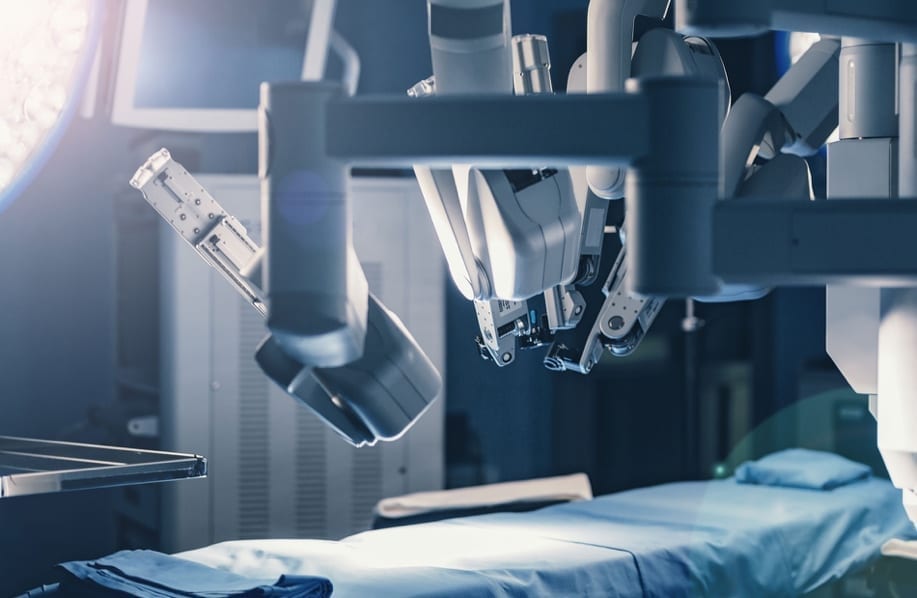
AI (Artificial Intelligence) is quickly changing the world — and medicine is no exception. From diagnosing diseases to helping doctors in surgery, AI is already becoming part of hospitals and clinics around the world. In a recent global study, over 84% of healthcare workers said they believe AI is positively affecting their jobs.
But what exactly does that mean for doctors, patients, and students thinking about working in medicine? This guide will break it down clearly — no complicated terms or confusing language — so you can understand what the future of medicine looks like.
The Medical World Today
Big Picture
Countries like the USA, UK, and China are already using AI to support healthcare. Why? Because medical systems are under pressure — from aging populations, fewer doctors, and more patients. AI helps by:
- Speeding up diagnoses
- Improving accuracy
- Making healthcare more efficient
Example: You come to the ER with chest pain. Before a doctor sees you, AI has already looked at your heart scan and flagged you as high risk for a heart attack. You get care faster — and your life might be saved.
Core Areas Where AI is Used in Medicine
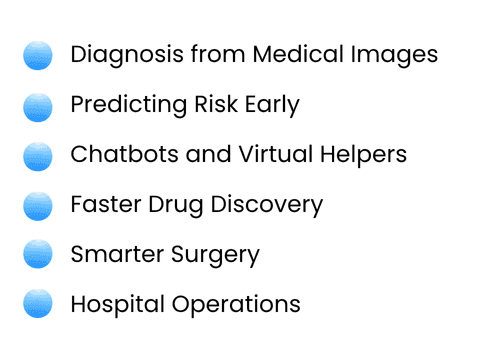
Here are six big ways AI is making a difference today:
1. Diagnosis from Medical Images
AI tools now detect things like cancer or brain bleeds in scans faster than humans — and just as accurately.
Example: An AI system spotted a tiny tumor in a woman’s breast that a doctor missed. It was caught early and treated in time.
2. Predicting Risk Early
AI can read data from wearables, hospital records, and more to predict illness before symptoms appear.
Example: A smartwatch picks up small changes and alerts your doctor that you might be dehydrated — before you even feel it.
3. Chatbots and Virtual Helpers
AI assistants like Babylon Health or Ada can give health advice 24/7. They help patients understand symptoms and decide whether they need a doctor.
Example: You have a rash. The AI chatbot asks questions, gives advice, and books a doctor visit if needed.
4. Faster Drug Discovery
New medicines usually take 10+ years to develop. AI can speed that up by simulating how drugs will interact with the body.
Example: During COVID-19, AI scanned billions of drug combinations in weeks to find helpful options.
5. Smarter Surgery
AI-powered robots assist doctors by guiding their hands and reducing errors.
Example: A robot can highlight areas in surgery that are not getting enough blood — helping the surgeon make better decisions.
6. Hospital Operations
AI helps with managing hospital resources like beds and staff during busy times like flu season or emergencies.
Example: AI predicts a spike in ICU patients next week, so the hospital prepares early and avoids overcrowding.
AI and Future Healthcare Technology
MedTech: The Tools of Modern Medicine
MedTech includes smart tools like:
- Wearable monitors (e.g. heart rate trackers)
- Apps that give medical advice
- Remote diagnostic tools
Example: A smart stethoscope uses AI to detect heart problems more accurately than the human ear.
Personalized and Predictive Medicine
AI helps doctors give treatments that are tailored to you, not just based on general guidelines.
Example: AI uses your DNA, lifestyle, and past health info to choose the best cancer treatment for you, not just what works for most people.
AI in Patient Care and Robotics
AI robots help in more than just surgery:
- Elderly care
- Physical therapy
- Diagnosing symptoms using facial expressions and voice
Example: In Japan, robot pets calm patients with dementia, improving their emotional health.
Jobs in Medicine Are Changing
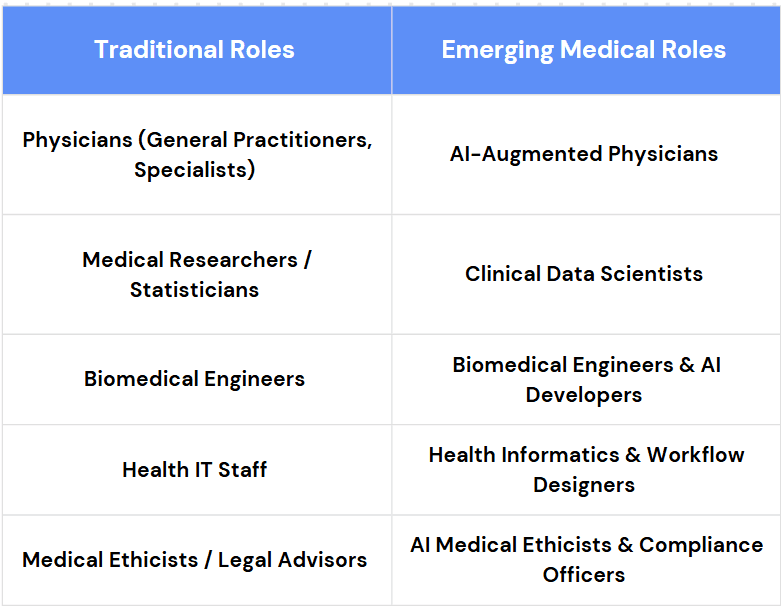
AI isn’t here to steal jobs — but it is changing what some jobs look like and creating new roles. Here’s what’s coming:
1. Doctors + AI = Better Care
Doctors who use AI tools are more efficient. But they still need to make the final decisions — AI just helps.
2. Clinical Data Scientists
These are people who understand both medicine and data. They help hospitals use AI tools and improve systems.
3. Biomedical Engineers
These experts build AI-based medical tools like diagnostic apps or smart devices.
4. Medical Workflow Designers
These professionals redesign how hospitals use tech to make sure it fits smoothly into daily care.
5. AI Medical Ethicists
They make sure AI tools in medicine are fair, safe, and respectful of patient privacy.
The Big Issues to Think About
Using AI in medicine is exciting — but also brings challenges.
1. Bias in AI
AI systems can make mistakes if they’re trained on biased data.
Example: An AI trained mostly on light-skinned patients might miss problems in darker skin tones.
2. “Black Box” AI
Sometimes we don’t know how AI makes its decisions, which can be risky in medicine.
3. Data Privacy
AI needs lots of personal data — but keeping it safe is crucial. Breaches are a serious risk.
4. Too Much Dependence on AI
Doctors must remember that AI is a tool — not a replacement for human care, empathy, and judgment.
The Future of Medicine: AI + Humans = Teamwork
Here’s the good news: AI isn’t going to replace doctors — it’s going to help them.
AI will:
- Speed up tests
- Personalize care
- Help with paperwork and hospital logistics
Doctors will:
- Focus more on patients
- Handle complex decisions
- Keep human empathy at the heart of medicine
In the future, the best healthcare will come from humans and AI working together.
Key Takeaways
- AI helps doctors make faster, better decisions
- New medical jobs are emerging in tech and data
- Ethical issues must be handled carefully
- The future of medicine is a partnership — not a replacement
Let this guide inspire you to explore medicine and technology together. If you’re curious about how you can prepare for these careers, Zenith Education is here to help you explore every path.
Want to find out more?
Message us on WhatsApp for a quick answer, or book a free consultation. No pressure either way.