
Essays & Interviews
What Will They Ask? 20 Key Grad School Interview Questions to Know
Here, we'll dive into some of the most common, as well as the trickier graduate school interview questions that you might come across. These are the kinds of questions you’re probably already thinking about, especially as you prepare your graduate school resume and cover letter. Don't worry if some questions seem tough—we’ll discuss those tricky ones and share expert responses to help you feel more confident. Let's get started!
By the Zenith Education team
Types of Graduate School Interview Questions
Just like there are graduate programs that don’t ask for the GRE, not every program requires an interview. However, it’s becoming more common for programs to include interviews as part of their application process. If you’re considering a graduate program—whether it’s a master’s in social work, a master’s in psychology, or even some of the easier PhD programs—you might have to go through an interview. It’s a great idea to get ready for questions like, “What makes you want to pursue a PhD?”
During the interview, feel free to chat comfortably with your interviewer(s), but remember that they’re evaluating you the whole time. The good news is that if you've made it to the interview stage, it’s likely they’re eager to find reasons to welcome you, not to turn you away. Your application materials, like your statement of purpose or motivation letter, have already impressed them, and now it’s time to shine in the interview!
The application process can feel a bit overwhelming with all the paperwork, unexpected questions, and lots of writing to do. But the good news is that your written materials have already caught the committee's attention! Now, they want to see if you can shine just as brightly in person. They’re on the lookout for bright, creative individuals who would fit in wonderfully with their community, and the interview is a fantastic opportunity to show them who you are!
To help you feel more at ease and present your best self on the big day, it’s a great idea to familiarize yourself with some common interview questions. Being prepared can make a world of difference, so take a deep breath and get ready to showcase your amazing self!
General Graduate School Interview Questions
1. Tell Me About Yourself
This question is probably the one you'll encounter most often in interviews, no matter where you're applying or for what program. It's a staple in all professional interviews! For example, we have some great sample answers for "Tell me about yourself" in medical school, residency, and nursing school interviews. Though it’s a common question, it can still make you feel a bit anxious. Think of it as your “opening statement”—a chance to share your story as an aspiring grad student and give a warm introduction to who you are!
Expert Sample Answer
I grew up in Nairobi, where I witnessed both the challenges and the beauty of rapidly growing cities. From a young age, I was fascinated by how public spaces shaped the way people interacted—how sidewalks, markets, and transit routes all told stories about a city’s priorities and its people. That curiosity eventually led me to pursue a degree in geography, where I focused on urban development and sustainability.
During my bachelor's years, I interned with a local housing nonprofit and later worked on a project analyzing transportation access in low-income neighborhoods. That work deepened my interest in equitable city design and showed me how thoughtful planning can transform communities.
Now, I’m eager to build on that foundation through graduate studies. I want to explore how data, design, and policy intersect in urban planning, and ultimately, contribute to cities that are more inclusive and resilient. I’m excited by the idea of combining research with real-world impact, and I believe graduate training is the next essential step on that journey.
2. Why Our School/Program?
One of the best ways to prepare for this question is to research the program thoroughly—look into its strengths, key faculty members, notable research, and the unique aspects of its curriculum. Take note of anything that genuinely aligns with your background, interests, or career goals. Avoid generic answers like “I love research” or “I’m passionate about learning.” Instead, illustrate your enthusiasm through specific examples from your experience that show why this particular program is the right fit for you.
When answering this question, it’s essential to be specific and personal. Take some time to think about what aspects of the curriculum at that school resonate with your own learning style or needs. Are there any faculty members you’re excited about working with? What draws you to them? If you have a potential supervisor in mind, have you reached out to see if they’re looking to take on students in your area of study? If you haven't done that by the time you get your interview invitation, it’s a good idea to reach out before the interview, if you can.
Expert Sample Answer
As someone with a background in economics and a growing interest in sustainable finance, I was drawn to programs that merge quantitative analysis with environmental impact. The MSc in Environmental Economics and Climate Change at the London School of Economics stood out to me for its interdisciplinary structure and its focus on policy-driven outcomes. During my final year at university, I led a capstone project that analyzed carbon pricing mechanisms in different countries, and I found myself fascinated by how economic tools can be used to drive behavioral and industrial change.
LSE’s strong faculty, particularly Professor Giles Atkinson’s work on environmental valuation, really resonates with my interests. I’m eager to deepen my understanding of how economic models can support environmental policymaking, and I believe the program’s combination of theory, policy application, and practical research opportunities makes it an ideal fit for me. I also appreciate the emphasis on international collaboration, which aligns with my long-term goal of working on global climate finance initiatives.
3. Why Should We Accept You? How Will You Contribute to Our Program?
Up until now, you might have been thinking mostly about what you can gain from the institution, like support for your research, funding, resources, lab opportunities, teaching assistant positions, academic guidance, or help with finding industry jobs after your PhD. But let's not forget that the institution will also benefit a lot from you! They’ll gain from the research you conduct and the teaching you might do. So, take a moment to reflect on the exciting and fresh ideas you bring with you. What unique perspectives or contributions can you offer that others might not? Your individual strengths can make a big difference!
Expert Sample Answer
During my bachelor's studies in architecture, I took a deep interest in inclusive urban design—specifically, how built environments can serve people with different mobility needs. What began as a class project soon became a larger passion. I launched a small collaborative initiative that partnered with local disability advocacy groups to audit public spaces around our city and propose design improvements to municipal planners. This experience not only strengthened my technical understanding of universal design principles but also showed me how powerful interdisciplinary collaboration can be when tackling real-world issues.
If admitted to your program, I would bring both a strong academic foundation and an applied, community-first mindset. I enjoy working across disciplines, and I value opportunities to exchange ideas with people from diverse backgrounds. I see graduate school not only as a chance to further my own research but also as a way to support my peers—whether through joint projects, discussion groups, or informal mentoring. I’m excited to contribute to a cohort that values both intellectual growth and real-world impact.
4. Why Are You Interested in This Field?
No matter what graduate program you’re diving into, it’s super important to have clear reasons for choosing this path. Do you genuinely love the field? That’s fantastic! What exactly do you love about it? Why do those specific aspects resonate with you? What unique experiences does this area of study offer that you might not find elsewhere? Thinking through these questions will really help you explain your interest in the field.
And if you’re feeling a bit nervous about answering this question, don’t stress! You’ve likely already covered this in your graduate school statement of purpose or in your career goals statement. Now, all you need to do is share that enthusiasm verbally. Remember to include examples from your experiences that show you’ve really thought about your choice and are excited about it!
Expert Sample Answer
My interest in data science came from an unexpected place—my internship at a logistics company during undergrad. I was originally there to support operations, but I quickly became fascinated by the team working behind the scenes to analyze delivery routes and optimize performance using data. Watching them take real-world messiness and make it understandable and actionable showed me how powerful data can be when it’s used thoughtfully.
That experience led me to pursue a minor in computer science and take on more quantitative research projects during my bachelor's studies in economics. One project involved analyzing housing affordability trends using census and local government data, which taught me not only technical skills like Python and SQL but also how to ask meaningful questions and communicate results clearly to people without technical backgrounds.
What excites me most about data science is its versatility. Whether it’s healthcare, climate modeling, or social policy, there’s a growing need for people who can interpret complex data to drive smarter decisions. Your program’s blend of technical training, real-world applications, and partnerships with industry is exactly the kind of environment I’m looking for. I want to develop the skills to turn raw data into tools that help people and organizations solve meaningful problems.
5. Why Are You Pursuing This Degree (PhD)?
Admissions committees really appreciate when applicants show clear motivation and a genuine passion for their chosen field. If graduate school feels like a backup plan to you, it can be noticeable. Be sure to convey a strong commitment and understanding of how pursuing a PhD will help you achieve your academic and professional dreams. When you share your thoughtful choice to follow this path, it gives interviewers confidence in your seriousness and dedication.
If you're thinking about doing a PhD, it’s important to share why this journey feels right for you and how it fits with your dreams and goals. Remember, the interviewers have probably looked over your research resume and application materials, so they already know what you’re capable of academically. Use this opportunity to paint a bigger picture of how a PhD will impact your career and personal life. And don’t forget to mention what makes this school or program special and how it can help you achieve your PhD ambitions!
Expert Sample Answer
I am pursuing a PhD in Public Health, specializing in epidemiology, because I am passionate about understanding and preventing the spread of infectious diseases on a global scale. During my master’s studies, I focused on disease modeling and outbreak investigation, which solidified my desire to engage deeply in research that informs public health policy and response strategies.
My research interests center on how social determinants and environmental factors influence disease transmission in vulnerable populations. This program’s emphasis on interdisciplinary collaboration and its strong partnerships with local and international health organizations provide the perfect environment for me to develop impactful, applied research.
By earning my PhD here, I aim to contribute new insights into epidemiological methods and support evidence-based interventions that reduce health disparities worldwide. I am confident that the resources and mentorship available will enable me to become a leading researcher dedicated to improving global health outcomes.
6. Where Else Are You Applying?
This question can be a bit tricky because you want to be honest while also sharing why this school is a top pick for you. Admissions committees are looking for reassurance that you’d accept an offer if it comes your way, but it's also perfectly okay for you to apply to several schools that match your goals (just try not to go overboard with applications!). When answering, focus on the things you genuinely value in a program, like the curriculum, research opportunities, faculty, and teaching experiences. Instead of getting into the specific features of each school, think about why you decided to apply to certain places, including the one where you're having your interview.
Expert Sample Answer
When selecting graduate programs, I prioritized those with strong data science curricula and opportunities for interdisciplinary collaboration. Besides this program, I’ve applied to several others known for their emphasis on machine learning and big data analytics. However, this school stands out because of Professor Lee’s pioneering work in predictive modeling and ethical AI. I reached out to Professor Lee to discuss his ongoing projects, and we found our research interests aligned closely. I’m excited about the prospect of contributing to his lab and further developing my skills in a program that fosters innovation and responsible data use.
Academic Graduate School Interview Questions
7. What Do You See as the Major Trends in Your Field of Study?
While you don't need to be an expert just yet, it's really important to show that you're diving into literature and exploring ideas in your field. Think of it as going beyond your regular coursework. If you're only doing the bare minimum, graduate school might not be the best fit for you. In your bachelor's years, you'll be exposed to a lot of different ideas, but it’s typically in your last year or two that you start to focus more on a specific area. Just remember, graduate school is a whole new adventure! It's quite different from undergrad, just as undergrad was from high school.
Expert Sample Answer
In public health, two major trends are currently driving innovation and research. The first is the increased focus on health equity and addressing social determinants of health. Researchers and practitioners are recognizing that factors like socioeconomic status, race, and environment profoundly impact health outcomes. Programs are now prioritizing interventions that reduce disparities and promote access to care for underserved populations.
The second trend is the integration of digital health technologies, such as mobile health apps, wearable devices, and telemedicine. These tools are transforming how data is collected and how care is delivered, making health monitoring and preventative care more accessible and personalized. The COVID-19 pandemic accelerated the adoption of these technologies, highlighting their potential for improving public health outcomes on a large scale.
Together, these trends reflect a shift toward more inclusive, tech-enabled approaches to improving population health.
8. Can You Explain Your Research (or Research Interests) in a Way that Would be Comprehensible to Non-Specialists?
A strong interview preparation strategy includes reviewing recent publications by potential supervisors—ideally two or more—to gain insight into their current research focus. Applicants should also identify their own relevant experiences, particularly technical skills that align with the lab or field. In addition, practicing common interview questions, such as “Tell me about yourself” and “What are your weaknesses?” can help build confidence and clarity in responses.
Make it a point to explain important ideas in simple terms, break down any complex jargon, and share your experiences as if you were chatting with a friend who’s not familiar with the topic. While you’ll pick up new techniques and approaches during your grad studies, it’s really important to communicate what you’ve already done and what you care about. Show off the skills you’ve been developing and spark interest by sharing your excitement and thoughtful views on the field. Plus, don’t forget to talk about the contributions you hope to make—both in academic circles and beyond!
Expert Sample Answer
My research interest is in coral reef restoration. Coral reefs are underwater ecosystems that support a wide range of marine life, but they are being damaged by pollution, rising ocean temperatures, and other environmental stresses.
One area I’ve been exploring is how to help corals grow back in places where reefs have been destroyed. There’s a technique called microfragmentation—it means cutting corals into very small pieces, which actually helps them grow faster. In my bachelor's work, I looked at how different light levels and water temperatures affect the growth of these coral fragments in lab settings.
The big idea is to figure out what conditions help the corals survive best so we can replant them in the ocean and increase the chances they’ll grow into healthy reefs. I find this work exciting because it combines hands-on biology with problem-solving that directly impacts ecosystems and communities.
9. What is Your Research Interest?/What Are You Hoping to Research?
At first glance, this question might seem pretty straightforward, and honestly, it could be one of the most obvious ones out there! But as you get ready to apply for graduate school, it's totally normal not to have a specific research agenda in place yet—and that's absolutely okay! Even if you do have some thoughts on where you want to go with your research, those ideas are likely to change as you progress through your studies; that’s just how research works at this level.
The great thing is, your interviewer gets all of this! They understand that you’re not a graduate student just yet, and they don’t expect you to be an expert either. So, when you come in, try to share your vision for your education, but don’t worry if you can’t provide a detailed research plan right now. Just be as specific as you can and explain why your ideas are important to you. And remember, there's no need to present a grand, revolutionary plan that will change the field overnight. A little humility goes a long way, so bring that with you to the interview!
Expert Sample Answer
At this stage, I’m still developing a more refined research focus, but one area I’ve become especially interested in is food preservation and shelf-life extension, particularly through natural additives. During my bachelor's coursework in biochemistry and a summer internship in a microbiology lab, I became fascinated by the ways that naturally occurring compounds—like certain plant polyphenols or fermented extracts—could be used to inhibit microbial growth in perishable foods.
This interest really solidified during a group capstone project where we designed a basic prototype for a preservative-free refrigerated snack using fermented ingredients. It raised questions I’d like to explore further—especially around the intersection of food safety, consumer preference for “clean label” products, and how industry standards evolve alongside public health data.
What draws me to your program is the interdisciplinary research happening at the intersection of food chemistry, microbiology, and sustainability. I’d be excited to contribute to ongoing projects that explore innovative methods for creating safer, longer-lasting foods without relying on synthetic preservatives.
10. If You Could, Would You Change Anything About Your Academic Experience so Far?
Academia is a lot like any social setting, filled with friendships, groups, and a bit of gossip. It’s wise to be cautious about criticizing a professor, especially if they have a connection to your interviewer. If there's something about the institution you wish were different, try not to name names. Instead, share why the issue bothered you or made things challenging, and focus on how you managed to thrive despite it. This way, you can turn the conversation into a positive story about your journey and how you’ve grown!
Expert Sample Answer
If I could change one thing about my academic experience so far, it would be gaining earlier exposure to applied research opportunities. During the first two years of my bachelor's degree, most of our coursework focused on theoretical foundations and programming fundamentals. While this was essential, I didn’t realize how much I enjoyed research until I took part in a faculty-led machine learning project during my third year. That experience not only sharpened my interest in algorithm design but also helped me see how research could directly impact industry applications—something that hadn’t been as clear in earlier classes.
I’ve since made up for that by pursuing additional independent projects and reaching out to professors for mentorship, but I do sometimes wish I had started this kind of work earlier. That said, the delay also helped me become more self-directed and proactive in seeking out opportunities, and it definitely shaped how I approach challenges now. I’m eager to build on that initiative in graduate school by immersing myself in research from the very start.
Personal Graduate School Interview Questions
11. How Do You Deal with Failure/Disappointment?
It’s pretty normal for interviewers to ask about the tougher parts of our life journey, like failures, limitations, and weaknesses. They usually have two main reasons for this: first, they want to see how you handle stressful questions, and second, they’re curious about your attitude toward challenges. That’s why it’s a good idea to think about these kinds of questions ahead of time! Reflecting on your experiences can give you valuable insights into who you are, how you’ve grown, and how you’ve tackled any setbacks.
Remember, everyone faces failure and has their own limitations at some point—it’s a part of life! What really counts is how we deal with these moments. If you can see failures as just bumps in the road on your journey to success and share what you’ve learned from them, you’ll be able to navigate those tricky questions with confidence.
When it comes to sharing your personal limitations, honesty is the best policy! It’s way better to be straightforward than to try and twist a “weakness” into a strength, which often feels a bit cliché. If you’ve had some challenges with time management in the past, it’s perfectly okay to admit it. Struggling to say “no” to others? Just be open about that too! And if organization isn’t your forte, that’s something you can share as well.
But don’t stop there! It’s really important to also talk about how you’re working on these challenges. If time management has been tricky for you, let them know how you juggle your schoolwork and other responsibilities, and how you plan to keep it all organized as a graduate student. If saying “no” is tough, share what steps you’re taking to set healthy boundaries. And if you find yourself a bit disorganized, explain the systems you’re putting in place to stay on top of things. Show them that you’re proactive about overcoming hurdles, even if they come from within!
Expert Sample Answer
During my second year, I submitted a curatorial proposal for our university’s annual student gallery. I had this grand vision of combining postmodern photography with early 20th-century sculpture, hoping to create a dialogue between eras. But the proposal was rejected. The committee felt my concept was underdeveloped, and I hadn’t justified the curatorial throughline well enough.
At first, I was crushed. I had spent weeks developing my idea, and the rejection felt like a personal failure. But after taking a step back, I realized I had approached it too much like a creative writer—not enough like a historian or curator. So, I started auditing a museum studies course, where I learned how to shape exhibits through narrative, scholarship, and audience engagement. I also started volunteering at the campus gallery, helping install shows and write catalog copies.
That experience taught me how to merge passion with structure and creativity with scholarship. The failure clarified my goals—it showed me that I don’t just want to write about art; I want to help shape the way people encounter and interpret it. That lesson was worth far more than the proposal itself.
12. What is Your Most Significant Accomplishment?
If you're gearing up to apply for a graduate program, congratulations! You probably have some impressive achievements under your belt, both in your studies and in your personal life, and that’s definitely something to celebrate. It's great to share these milestones during your interview! Just a friendly reminder, though: it's important to keep a sense of humility—especially when discussing your academic successes.
While it’s wonderful to be proud of what you’ve accomplished, remember that you’ll be entering a community filled with equally talented individuals. It’s a new environment where everyone brings their own strengths to the table, and collaboration is key.
The admissions team isn’t just looking at your grades and qualifications; they want to know if you’d be a wonderful addition to their community. Graduate school is all about teamwork and building relationships with your fellow students and professors, unlike the more traditional teacher-student dynamic in undergrad. Interviewers are often looking to understand who you are beyond your resume—they want to know if you're someone they’d enjoy engaging with regularly in an academic setting. That’s why it’s important not to rely on overly scripted responses. Instead, focus on expressing your genuine enthusiasm for the subject or program. Let your excitement show and demonstrate that you’re thinking critically and can apply your knowledge beyond the classroom or lab. Be honest about your experiences and goals, and don’t be afraid to let your personality shine through. Authenticity and passion often leave the strongest impression.
Expert Sample Answer
One of the accomplishments I’m most proud of is leading a community design-build project during the final year of my bachelor's architecture program. We partnered with a local nonprofit to design and construct a small outdoor classroom for a public elementary school in a historically underserved neighborhood.
The project had multiple moving parts: community engagement, cost constraints, sustainability goals, and a tight timeline. I took on the role of project coordinator, managing the team schedule, coordinating with the nonprofit, and facilitating feedback sessions with local teachers and students. I also led the design for the roof structure, which was made entirely from recycled wood pallets donated by local businesses.
Seeing the structure take shape—from sketches and models to physical construction—was incredibly fulfilling. But what made it most meaningful was seeing the students use the space. On opening day, they were already imagining how they could decorate it and make it their own. That moment reminded me that architecture isn’t just about aesthetics or technical precision—it’s about people, place, and impact. That’s what I hope to carry into my graduate work.
13. How Do You Deal with the Stress of Academia?
There's a growing awareness of mental health challenges in many areas of society, and academia is no exception. Graduate school can be incredibly demanding, and it’s tough to explain that pressure to someone who hasn’t experienced it firsthand.
These challenges can be overwhelming, even during better days. Many students grapple with feelings of anxiety and depression, and every year, some choose to leave their programs because the weight becomes too heavy, particularly those who might already be dealing with mental health issues. It’s important to remember that even those who seem fine on the outside may be facing struggles they don't openly share.
That's why there's an ongoing effort to emphasize mental wellness in academic settings, though progress can be slow. If you’re preparing for interviews, it’s a good idea to acknowledge the pressures you’ll face and highlight any coping strategies you have in place. Showing that you’re aware of these challenges—and that you have a plan to handle them—can really make a positive impression. To make a great first impression during your interview, pay a little attention to your body language! Standing tall, making eye contact, and showing a warm expression can really help you come across as confident and at ease. On the other hand, habits like slouching, avoiding eye contact, or fidgeting with your hair might accidentally make you seem nervous or unsure. Remember, it's totally normal to feel a bit anxious, but being mindful of these non-verbal cues can really help show that you’re calm and ready to take on the exciting challenges of graduate study. Think of your body language as a subtle way to back up the awesome message you want to share with your words!
Expert Sample Answer
As someone preparing to enter an MFA in Theatre Directing, I’ve thought a lot about how I’ll manage the pressures of graduate-level creative work. The emotional demands of the arts can be just as intense as the academic side, especially when your personal vision is constantly being evaluated and critiqued. To handle this, I’ve worked hard to develop strategies that keep me grounded and resilient.
One of the most helpful tools for me has been journaling. I keep a creative journal where I process both personal experiences and professional feedback, which allows me to stay reflective rather than reactive. I’ve also been part of a local community theatre for the last three years, and the collaboration there taught me how to separate my work from my self-worth—it’s a lesson I plan to carry with me into grad school. On top of that, I meditate daily using an app that guides short, ten-minute mindfulness sessions, which really helps with regulating stress during demanding production schedules. While I expect graduate study to be challenging, I feel ready to meet that challenge with a solid support system, creative outlets, and mental health practices that have already served me well in high-pressure settings.
14. What Have You Been Reading?/What’s the Last Book You Read?
This question can be a bit tricky because it might come off as too casual when you ask it. Honesty is always the best policy, but it’s a good idea to remind yourself to read materials that show both depth and curiosity! This doesn’t mean you have to focus solely on your specific area of study, but it’s definitely helpful to include such works in your reading mix. If there are important primary texts in your field that you haven't checked out yet, why not pay a visit to your library? During your undergrad years, you probably came across a lot of secondary sources—those are the analyses and discussions about key theories, thinkers, and methods by other authors. However, if there are well-known scholars in your field whose original works you haven’t read, be sure to add them to your reading list alongside some more modern pieces.
If you're unsure about which texts are considered must-reads—whether they’re classics or contemporary—don’t hesitate to ask a research librarian at your school! Many universities have librarians who are experts in specific fields and can point you toward foundational texts as well as the latest scholarship in your area. It's such a great resource, and since you're already paying for it with your tuition, make the most of it!
And hey, if you love fiction, non-academic non-fiction, graphic novels, or any other fun reads, that’s absolutely wonderful! You don’t have to give up your personal interests while pursuing graduate studies. Just keep in mind the impression you make when you talk about those interests in an interview. For example, saying you enjoy Vampirella might be taken differently than if you mention Watchmen or Maus. Likewise, your love for light romance novels might be perceived differently than your passion for historical biographies. Enjoying any of these genres is perfectly valid, but think strategically about what you share during interviews since it’s your first chance to make an impression. Save the quirky stuff for after you’ve been accepted! So if you just wrapped up the latest Harlequin novel, give some thought to how you respond to questions in a way that highlights your interests—unless, of course, you’re planning to focus on topics like those in your future studies.
Expert Sample Answer
Lately, I’ve been reading The Mushroom at the End of the World by Anna Tsing. It’s a fascinating blend of anthropology, ecology, and economics centered around the global trade of matsutake mushrooms. What really drew me in was how Tsing uses the mushroom as a metaphor for survival in capitalist ruins—how life can flourish in fractured, unpredictable environments. I’m applying to an MA program in Environmental Humanities, so this book felt especially relevant. It doesn’t just offer ecological insight; it challenges the idea of progress, stability, and value from a cultural and philosophical standpoint.
At the same time, I’m re-reading Beloved by Toni Morrison. Her narrative style is masterful, and the way she navigates historical trauma through memory and the supernatural continues to influence how I think about storytelling, identity, and responsibility. Even though Morrison’s work is fiction, it carries the same kind of emotional and intellectual weight as many academic texts, and it reminds me why I’m passionate about this field in the first place—because literature helps us make sense of the complicated intersections between people, place, and power.
15. What are Your Career Goals?
You’ve likely touched on this question in your applications before, but the real trick is expressing it verbally in a way that flows nicely. It’s totally normal for students to feel a bit unsure about what they want to do after grad school. One of the most common concerns that comes up during graduate school interviews—especially for master’s programs—is a noticeable lack of clear goals or genuine interest in pursuing graduate studies. Some applicants treat a master's program as a temporary step while they wait to get into other professional programs like medicine, dentistry, or pharmacy. This often becomes evident during interviews when a student’s goals don’t align with the direction of academic or industry research. A particularly problematic response that interviewers hear too often is something like: “I’m not entirely sure what I want to do in the future, and I believe this lab is a good way to explore whether or not I like research.” Even if that’s honest, it tends to raise red flags about a candidate’s seriousness and long-term commitment to graduate study. Instead, it’s important to express a clear sense of purpose and enthusiasm for the path you're choosing, even if you’re still figuring out the finer details.
When it comes to tackling this interview question, even if you don't plan on a career in academia, it's all about sharing what inspired your interest in pursuing graduate studies in your field and how this program can help you reach your goals. If you're finding it a bit tricky to figure out what to say, don't hesitate to reach out to a graduate school admissions consultant—they can really help you shape your answer!
Expert Sample Answer
My career goal is to become a digital archivist specializing in preserving cultural heritage through technology. I’ve always been fascinated by history and storytelling, but I also have a strong interest in computer science and data management. Combining these passions led me to explore digital humanities during my bachelor's studies.
I worked on a project digitizing and annotating historical documents from my local community, which opened my eyes to the challenges and opportunities in making archives accessible online. This experience showed me how technology can bring forgotten stories to life and make them available to a wider audience.
By pursuing graduate studies in digital humanities, I want to develop advanced skills in digital preservation, metadata standards, and user interface design. I’m excited about this program because of its strong focus on interdisciplinary collaboration and practical applications, which will prepare me to work with museums, libraries, and cultural institutions to safeguard important materials for future generations.
16. What are Your Research Interests?
When answering this question, it’s a great chance to share what areas you’re excited to explore in your new program. Be sure to also highlight the steps you’ve taken in your education so far that have prepared you for this moment.
To succeed in a thesis-based graduate program, prior research experience is highly valued. For example, alongside completing a bachelor's degree, earning a biotechnology technician diploma from a college and including it on a CV can make a candidate stand out. The technical lab skills gained through such extracurricular training often give applicants a competitive edge in the admissions process.
Even if your interests have changed quite a bit, it’s a great idea to share a story about why you’re passionate about your new topic and how you discovered it along the way!
Expert Sample Answer
I am passionate about advancing digital education technologies. During my bachelor's degree in computer science, I was involved in a research project focused on developing adaptive learning algorithms that personalize educational content based on student performance and engagement. Our team designed a prototype platform that adjusted lesson difficulty in real-time, which showed promising results in improving student retention rates.
If I have the opportunity to join your graduate program, I plan to deepen my research into how artificial intelligence and machine learning can transform online learning environments. Your program’s strengths in human-computer interaction and educational technology are exactly what I need to explore innovative solutions that enhance accessibility and effectiveness in education. I am excited about collaborating with faculty working on cognitive modeling and data analytics, as well as leveraging your university’s state-of-the-art research facilities to create next-generation digital learning tools.
17. What Do You See as the Major Trends in Your Field of Study?
This question is a great way to find out how well you know the current issues and research in your field. It’s your chance to really shine and share what you’ve learned! While it’s always good to be humble and polite, this is a wonderful opportunity for you to show off your enthusiasm and understanding of the topic you’re pursuing.
Expert Sample Answer
In the field of digital marketing, several major trends are shaping how businesses engage with consumers. One key trend is the rise of artificial intelligence and machine learning to personalize customer experiences. Brands are increasingly using AI to analyze consumer behavior and deliver tailored content, offers, and recommendations, making marketing campaigns more effective and efficient.
Another trend is the growing importance of video content, especially short-form videos on platforms like TikTok and Instagram Reels. These formats are highly engaging and allow brands to connect with younger audiences in creative and authentic ways. Understanding how to craft compelling video narratives is becoming essential for marketers.
Finally, sustainability marketing is gaining traction as consumers become more conscious about environmental and social issues. Companies are highlighting their eco-friendly practices and ethical commitments, and marketers are tasked with communicating these values transparently to build trust. I’m eager to explore these trends further and contribute to innovative strategies that balance technology, creativity, and responsibility in the digital space.
18. Share Your Opinion on a Current Issue in Your Field.
It's great to see how a question about current trends in your field can be asked in so many different ways! In this case, you're invited to explore just one trend or issue, which gives you the perfect opportunity to dive deeper into a topic you really enjoy!
Expert Sample Answer
In the field of psychology, one of the most pressing current issues is the stigma surrounding mental health treatment, which continues to prevent many people from seeking the help they need. Despite growing awareness and education efforts, there are still misconceptions that therapy is only for “severe” cases or that admitting to mental health struggles is a sign of weakness. This stigma can be especially pronounced in certain cultural or social groups, leading to significant barriers in access to care.
Another critical issue is the challenge of integrating mental health services into primary care settings. Many individuals first present symptoms of psychological distress in general medical environments, but mental health support is often siloed or underfunded, causing delays or gaps in treatment. There is a growing movement advocating for better training of primary care providers in mental health, as well as the expansion of collaborative care models to provide more holistic patient support.
Additionally, the rapid rise of telepsychology during the COVID-19 pandemic has shown great promise but also highlighted disparities in access to technology and privacy concerns for vulnerable populations. As we move forward, the field must address these inequities to ensure mental health care is truly accessible for all. I am passionate about contributing to research and programs that tackle these challenges and promote mental wellness across diverse communities.
19. Why Did You Choose this Program if You Majored in X for Your Bachelor's Degree?
This question can feel a bit intimidating if you're switching to a different discipline from what you originally studied, but don't worry! It's a great opportunity to explain why you made the change and how your previous experiences have set you up for success in your new field. This happens all the time in post-graduate and professional programs, so you're definitely not alone!
Take some time to think about the qualities and skills you picked up in your previous studies that can be super helpful in the new field you're diving into. It’s really interesting to see how your past experience can bring new strengths to your current journey!
Expert Sample Answer
I initially majored in Political Science as a bachelor's, but I found myself increasingly drawn to the practical applications of law and justice rather than just theory and policy. Political Science helped me develop strong critical thinking, research, and writing skills, which are essential in legal studies. I also took several courses in constitutional law and legal philosophy as electives, which sparked my interest even further.
The reason I decided to pursue a graduate degree in law instead of continuing solely in political science is because I want to actively engage in the legal system and advocate for change. I realized that law offers a direct path to impact society through advocacy, litigation, and policy-making. My background in political science provides a strong foundation for understanding the broader context of legal issues, and I believe it will allow me to approach law school with both passion and a unique perspective.
20. What Do You Do for Fun?
No need to worry—this isn't a trick question! Think of graduate school interviewers as just people like you, and if you get accepted, you'll likely have plenty of interactions with them. Remember, grad school is all about collaboration with fellow students and faculty. They genuinely want to get to know you better, which is why they ask this question. Feel free to share your hobbies honestly, but it’s best to steer clear of any topics that might be controversial. You might also want to talk about your volunteer work or fun activities you enjoy with family and friends. Most importantly, aim to showcase a quality or skill that truly reflects who you are. Share a story that connects with your experiences and engages your interviewers, and if you can, relate your pastime to your research!
Expert Sample Answer
I have a deep passion for jazz music, especially the classic recordings from the mid-20th century. Listening to legends like Miles Davis, John Coltrane, and Ella Fitzgerald is always an inspiring experience for me. What I love most about jazz is its spontaneity and emotional depth — the way musicians communicate through improvisation reflects a profound level of creativity and connection. As someone pursuing a graduate program in communications, I find many parallels between jazz and storytelling: both require listening carefully, adapting in the moment, and expressing authentic emotions. This appreciation for jazz continually influences how I think about conveying messages in my research and writing, and I look forward to exploring these creative approaches in your program.
BONUS: Questions to Ask the Interviewer

- How long do students typically take to finish this program?
- Where are some of the recent grads working now? What do most of the alumni go on to do after they graduate?
- What kinds of financial aid can students look forward to?
- What do you look for when choosing recipients for financial assistance?
- Are there chances within the program to get some hands-on experience? Do you offer assistantships, fellowships, or internships? When should I apply for those?
- Are there any scholarships or internships that I could apply for?
FAQs
1. What are some common questions you might hear in a graduate school interview?
You're likely to come across questions like “Can you share a bit about yourself?”, “What’s inspired you to apply for this program?”, and “What’s your research focus?”. These questions can be phrased differently too, such as “What led you here?”, “Why did you choose our program?”, or “How have you prepared for your research interests?”.
2. Which grad school interview questions do people find most challenging?
This can really depend on the person, but many students find personal questions to be particularly tough to tackle. It often feels hard to talk about yourself in a concise and professional way!
3. How can I get ready for my grad school interview?
A fantastic way to prepare is to research some typical grad school interview questions, like the ones in our blog, and brainstorm some key points you want to hit. It’s also super helpful to set up mock interviews to practice in a setting that feels realistic. Don’t forget to check out specific questions from schools you’re interested in, like Stanford!
4. What kinds of questions do interviewers usually ask in graduate school interviews?
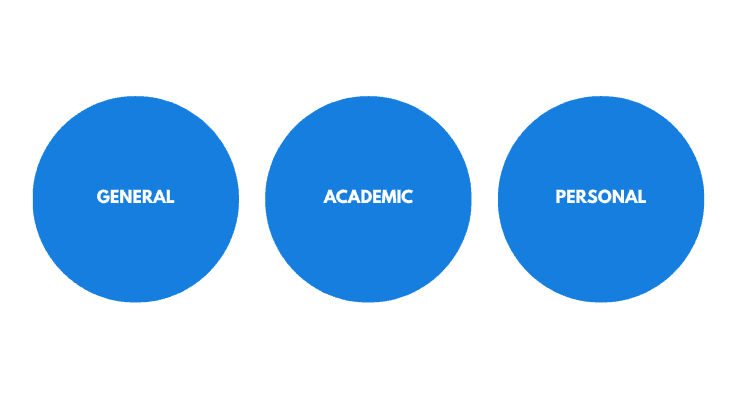
Interview questions typically fall into three main categories: general, personal, and academic, and you can find more details about these in our blog.
5. Are behavioral questions common in graduate school interviews?
Not really, for most programs. However, if you're applying to social work, you might run into some behavioral questions, especially during Multiple Mini Interviews (MMI).
6. Who will be interviewing me at grad school interviews?
The interviewers can vary quite a bit! They might be faculty members from the department you’re interested in, students from that department, or even professionals from completely different fields. So when you discuss your research, try to keep it jargon-free to ensure everyone can follow along!
7. What interview format should I expect for grad school?
It’s a good idea to look into the specific format used by each school you’re applying to. Most will stick with a traditional or panel format, but some might go for a Multiple Mini Interview (MMI) or another unique approach.
8. How long will my graduate school interview last?
This can really vary based on the format! Expect interviews to last anywhere from 20 minutes to 1.5 hours. And remember, if you get an interview invite, you might have opportunities to meet other students and tour the campus, so it’s smart to set aside an entire day for this experience!
Next step
Applying for a master's or MBA?
We guide students applying to postgraduate programs worldwide, from choosing where to apply to submitting a strong application.
See master's and MBA guidanceWant to find out more?
Message us on WhatsApp for a quick answer, or book a free consultation. No pressure either way.