
Degrees & Subjects
Dreaming in Style: Your Guide to Studying Fashion in the USA
Thinking about launching your fashion career in New York, LA, or anywhere in between? The United States is home to some of the world’s most iconic fashion schools, where runway legends, streetwear disruptors, and brand masterminds all get their start.
By the Zenith Education team
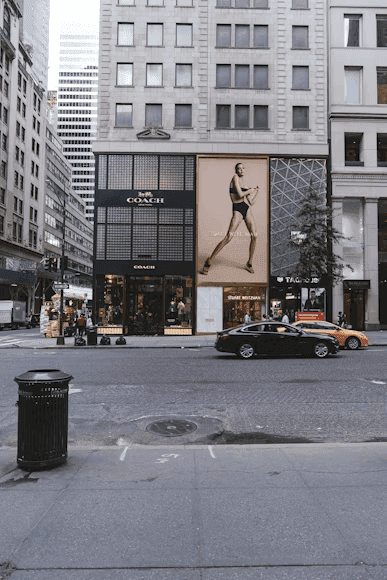
From intensive design programs to fashion marketing, styling, and tech-forward innovation, the U.S. has something for every creative soul. Here's your complete guide—from top schools to application tips—brought to you by Zenith Education.
Where Fashion Icons Are Made: Top U.S. Fashion Schools
Let’s talk about big names. These are schools that dominate the scene and consistently produce industry leaders:
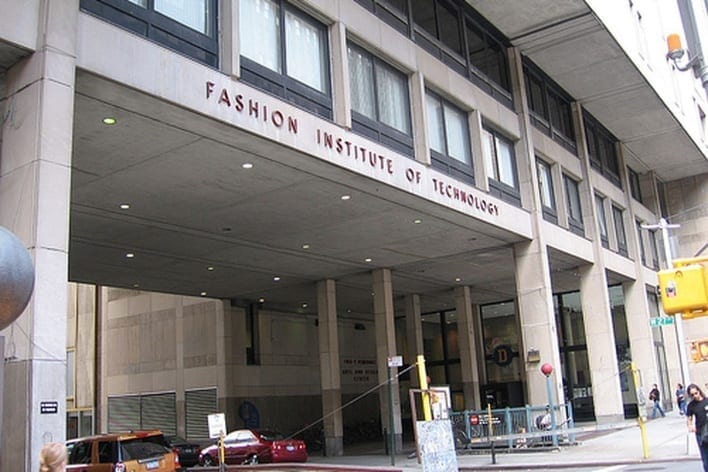
1. Fashion Institute of Technology (FIT), New York
- Type: Public
- Degrees: AAS, BFA, MFA
FIT is a powerhouse in fashion education, especially known for its industry-driven, practical approach. Located in the heart of New York City’s Garment District, FIT offers programs in Fashion Design, Fashion Business Management, Textile Development, and Advertising & Marketing Communications. It's particularly affordable for New York State residents, making it one of the best-value fashion schools. Students benefit from internships at iconic brands like Prada, LVMH, and Nike. FIT’s strong ties to the fashion industry mean that graduates are well-prepared to hit the ground running in their careers.
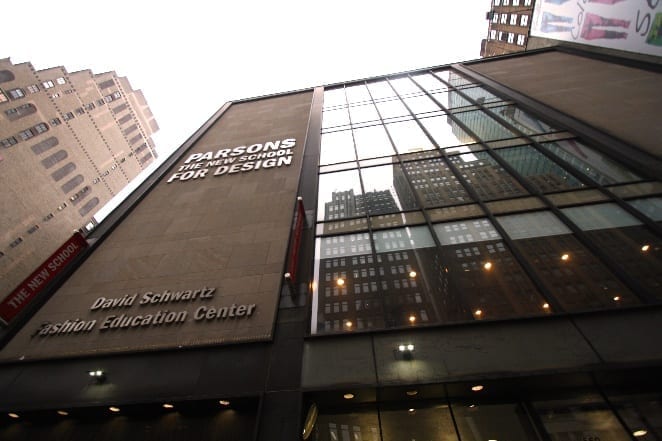
2. Parsons School of Design (The New School), NYC
- Type: Private
- Degrees: BFA, MFA
Parsons is often considered one of the most prestigious and progressive fashion schools in the world. Known for pushing creative boundaries, it offers programs in Fashion Design, Strategic Design & Management, and Fashion Marketing. Parsons has built a reputation for its focus on innovation and sustainability, and its alumni list reads like a who’s who of fashion—Tom Ford, Marc Jacobs, and Donna Karan are just a few. Located in Manhattan, students at Parsons are immersed in one of the world’s fashion capitals and have access to unmatched opportunities for internships and collaborations.
3. Savannah College of Art and Design (SCAD), Georgia

- Type: Private
- Degrees: BFA, MA, MFA
SCAD offers a diverse range of fashion-related programs including Fashion Design, Luxury & Brand Management, Fashion Marketing, and Costume Design. Known for its state-of-the-art facilities and global perspective, SCAD has campuses in Savannah, Atlanta, and even Lacoste, France. The school hosts the SCAD Fashion Show, a major annual event that draws industry leaders and showcases student work. With a strong emphasis on technology and trend forecasting, SCAD prepares students for the modern fashion world, blending creativity with strategic business acumen.
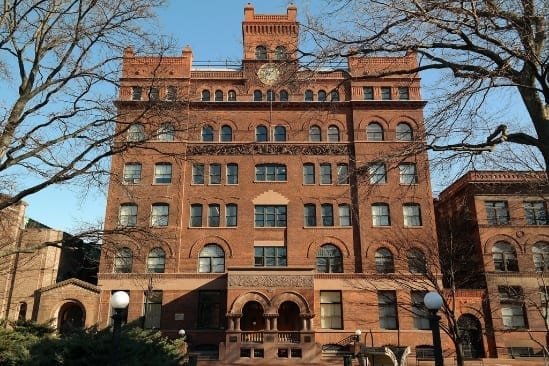
4. Pratt Institute, Brooklyn
- Type: Private
- Degrees: BFA
Located in Brooklyn, Pratt Institute offers a BFA in Fashion Design with a strong emphasis on artistic exploration, innovation, and sustainability. Students are encouraged to develop a unique creative voice through conceptual projects, hands-on studio work, and exposure to New York’s fashion scene. With courses in styling, accessory design, and garment construction, the program combines technical skill with fine arts theory. Pratt's graduates often enter the industry as designers, trend forecasters, or creative directors with a strong design philosophy and portfolio.
5. Academy of Art University, San Francisco

- Type: Private
- Degrees: AA, BFA, MFA
The Academy of Art University is known for its accessibility and diverse offerings, including Fashion Design, Fashion Journalism, Technical Design, and Knitwear. Its open admissions policy makes it more inclusive than many elite fashion schools, but the training is still rigorous and professional. Students regularly participate in New York Fashion Week, giving them early exposure to industry standards and networking opportunities. Located in San Francisco, the school also emphasizes digital design and wearable tech, keeping pace with the evolving landscape of fashion innovation.
What Can You Study? Program Types Explained
Whether you’re a sketchbook-carrying visionary or a social media style guru, U.S. fashion schools offer a wide range of programs, including:
Fashion Design – The Creative Core of the Industry
This is the go-to program for aspiring designers who want to create garments from concept to runway. You’ll dive deep into the entire design process: sketching concepts, draping fabric on dress forms, pattern making, garment construction, and collection development. Courses often include fashion illustration, textiles, and CAD (computer-aided design). If you love the idea of transforming ideas into wearable art, this is where your journey begins.
Fashion Marketing & Communication – The Storytellers of Style
Perfect for those with a flair for branding, media, and digital engagement. This program focuses on how fashion connects with audiences—through advertising campaigns, influencer marketing, trend forecasting, fashion journalism, and public relations. You'll study consumer behavior, visual communication, and digital platforms like Instagram and TikTok, all while learning how to build a brand identity and communicate it to the world.
Fashion Business & Merchandising – The Brains Behind the Brand
This is where fashion meets business strategy. Students in this program learn about buying, retail operations, brand management, and e-commerce. You’ll analyze market trends, study supply chains, and develop pricing and marketing plans. It's an ideal path if you're interested in the commercial side of fashion and want to work as a buyer, brand strategist, merchandiser, or even launch your own fashion label.
Styling & Creative Direction – Crafting the Visual Message
If you’re drawn to fashion editorials, runway shows, and visual storytelling, this program is for you. You’ll learn the art of styling for photo shoots, advertising campaigns, music videos, and fashion shows. Creative direction involves designing the mood, concept, and visual identity of a project. You’ll develop skills in mood board creation, set design, casting, and collaborating with photographers and designers to bring a brand’s image to life.
Fashion Tech & Innovation – The Future of Fashion
This forward-thinking program explores the intersection of fashion and technology. Students work with 3D modeling, wearable tech, digital fashion design, and innovative materials like bio-fabrics and recycled textiles. You might prototype garments using CLO 3D, experiment with AI-powered fashion forecasting, or design pieces that integrate sensors or smart textiles. If you’re passionate about sustainability, innovation, or digital transformation, this program opens exciting doors.
How to Apply: The Admissions Process, Step-by-Step
- Online Application: Each fashion school has its own online application portal. While some institutions may accept applications through platforms like the Common App, many—including specialized art and design schools—use their own systems. Make sure you check each school's website for specific requirements and forms. Application deadlines vary, with early deadlines often falling between November and January, so it's important to plan ahead.
- Academic Records: You'll need to submit your high school diploma (or equivalent) along with your academic transcripts. If your transcripts are not in English, you’ll need to provide certified translations. Some schools may also ask for a GPA conversion or a credential evaluation from services like WES or ECE, especially for international students.
- Portfolio Submission: For programs in Fashion Design, Styling, or Creative Direction, a portfolio is often a central part of the application. This is your chance to showcase your creativity, technical skill, and unique perspective. Portfolios typically include 8–20 pieces and might involve sketches, garments, mood boards, or even digital work. Schools may use platforms like SlideRoom, or have their own upload system. For business- or marketing-focused programs, a portfolio may be optional or not required.
- Standardized Exams: If you’re a non-native English speaker, you’ll need to submit results from an English proficiency test like the TOEFL, IELTS, or Duolingo English Test. These scores help schools ensure you can succeed in an English-speaking classroom. SAT or ACT scores are rarely required for fashion programs, but submitting them can sometimes give your application an edge, especially if your academic record needs a boost.
- Letters of Recommendation: Most schools ask for 1 to 3 letters of recommendation. These should come from people who know you well in an academic or creative setting, like art or design teachers, school counselors, or mentors. A strong letter can add depth to your application by highlighting your work ethic, creativity, and growth.
- Personal Statement or Essay: This is your chance to tell your story. Schools want to hear about your creative journey, your passion for fashion, and what inspires you. Use the essay to explain why you’ve chosen this particular school and how it aligns with your goals. Be honest, specific, and let your personality shine through—this is what makes admissions teams remember you.
- Interview: Some programs, especially graduate-level tracks or highly selective design courses, may invite applicants for an interview. This is a chance to expand on your application, discuss your portfolio in detail, and show how you think creatively. It’s also a great opportunity to ask questions about the school and the program.
What About Portfolios? Your Key to Getting In
If you’re applying to a fashion design program in the U.S., your portfolio is one of the most important parts of your application and your chance to shine! More than grades or test scores, it’s what admissions committees focus on the most. Think of it as your visual story, how you see the world, how you think creatively, and how you solve design problems.
For design-focused programs (especially at Parsons, FIT, and Pratt), the portfolio is the most important part of your application. It should include:
- 8–20 pieces of original work
- A mix of sketches, photos, and final designs
- Evidence of your creative process
- A clear personal style and storytelling
What Should Be in Your Fashion Portfolio?
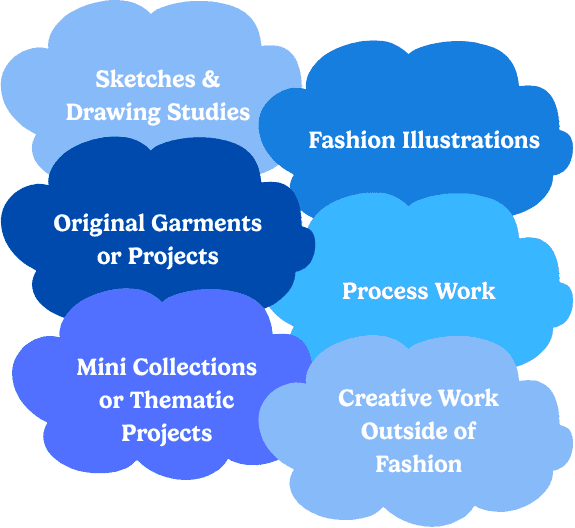
Most schools ask for around 8 to 20 pieces of original work, but don’t stress about hitting the exact number. What really counts is the quality, creativity, and story behind your work.
Here’s a breakdown of what to include, and how to make it amazing:
1. Sketches & Drawing Studies
This is where your foundation starts. Fashion schools love to see that you can draw from life, not just from imagination.
- Include life drawings (figure drawings are a big plus!)
- Show gesture sketches—quick, expressive poses
- Add still life, fabric studies, or technical drawings to show your attention to texture and detail
These pieces show your eye for proportion, form, and movement.
2. Fashion Illustrations
Bring your design ideas to life! Whether hand-drawn or digital, these should show your personal style and attention to detail.
- Draw clothing and accessories from different angles and poses
- Make sure to reflect body movement, fabric draping, and texture
- Add pops of color, prints, or embellishments to show your design flair
Don’t be afraid to show a range: from bold editorial styles to sleek ready-to-wear.
3. Original Garments or Projects
If you’ve made something, show it off!
- Include photos of garments, accessories, or even prototypes
- Highlight interesting details like sewing techniques, embellishments, or fabric choices
- If you’ve upcycled something or experimented with unconventional materials, it’s even better!
Can’t sew? That’s okay! Even small handmade projects show initiative and passion.
4. Process Work
Fashion isn’t just about the final product; it’s about how you get there. Schools love seeing how your mind works.
- Show mood boards, inspiration collages, or fabric swatches
- Add design development sketches or early ideas that evolved into something bigger
- Include research images, color tests, or rough thumbnails
This part shows your ability to think conceptually and take an idea from spark to sketch to style.
5. Mini Collections or Thematic Projects
If you want to really wow the admissions team, put together a small collection.
- Create a 3–6 look mini-collection based on a theme or story
- Introduce a clear concept: Who is your muse or client? What inspired you? What’s the mood?
- Include full-body fashion illustrations, details, and short explanations
This shows your ability to build a cohesive, professional vision, just like you would in the real fashion world.
6. Creative Work Outside of Fashion (Optional but Encouraged!)
You’re more than just a fashion student—you’re an artist! Include pieces that show your broader creativity:
- Photography, graphic design, painting, digital art, collage, sculpture, or even video
- This adds personality and helps schools see how versatile you are
- Bonus points if you can connect it back to your fashion style or design interests
How to Present Your Portfolio Like a Pro
No matter how amazing your work is, presentation really matters, especially for digital submissions!
- Use high-resolution photos or scans (natural light works wonders)
- Keep backgrounds clean and neutral (no messy desks or clutter)
- Label each piece with:
- Title
- Medium
- Date
- A short description (optional, but helpful to explain your idea or goal)
Most schools use platforms like SlideRoom, where you upload each piece individually and can write about your process.
What Fashion Schools Are REALLY Looking For
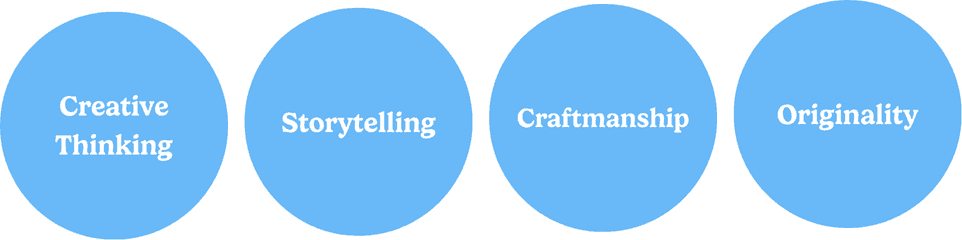
Don't worry, they're not expecting you to be the next Virgil Abloh or Rei Kawakubo (yet!). What matters most is your voice and your potential.
They're looking for:
Creative thinking – Can you turn an idea into a powerful visual concept? Storytelling – What are you trying to say? What emotion or message comes through? Craftsmanship – Even rough sketches should show intention and care Originality – They want to see YOU, not a Pinterest mood board copy
Pro Tip: Your portfolio is your creative fingerprint. Make it personal, bold, and true to you. Every stitch, sketch, or brushstroke should say, “This is who I am and here’s where I’m headed.”
Special Requirements by School
Here’s what a few of the top schools look for:
Parsons (BFA Fashion Design) Requires a portfolio + a Parsons Challenge: create one new piece based on a theme and explain your process FIT (Fashion Design BFA) Often asks for 6 fashion figures + 3 accessory designs + sewing samples (for transfers) SCAD Portfolio is recommended, not required for undergrad but it definitely helps your chances and scholarship eligibility Pratt Requires 10–15 pieces with a focus on conceptual development
Admissions Timeline at a Glance
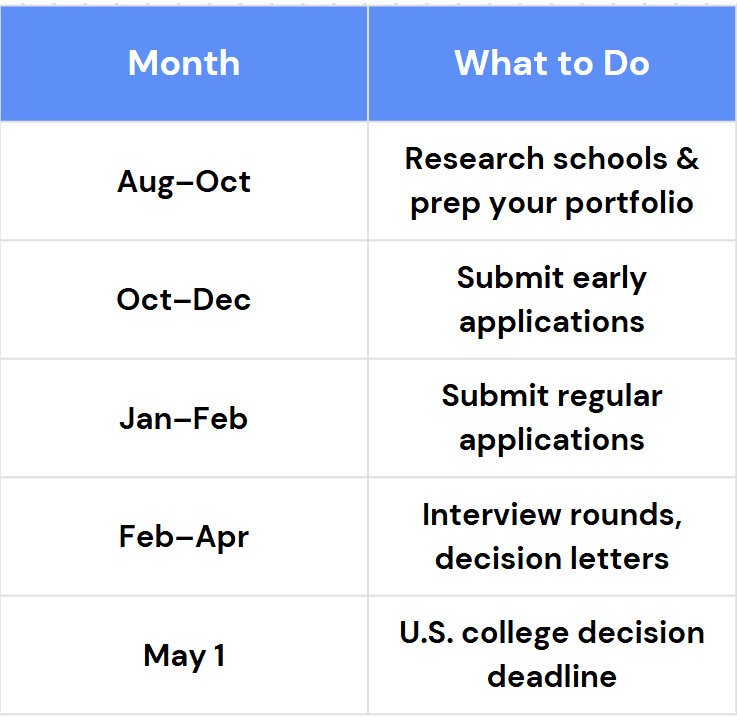
Tuition, Scholarships & Financial Aid
Fashion programs in the U.S. can cost between $25,000–$55,000 per year, depending on the school. Good news: many schools offer scholarships, even to international students.
- Merit Scholarships: Based on portfolio or GPA
- Need-Based Aid: Usually for U.S. citizens, but some exceptions
- Talent Awards: For creative excellence
Tip: Some schools (like SCAD and Academy of Art) automatically consider you for scholarships when you apply.
International Students: What You Need to Know
1. You’ll Need an F-1 Student Visa: To study full-time at a U.S. fashion school, you’ll need to apply for an F-1 student visa. Once you’re accepted, your school will send you a document called the I-20 form, which you'll use to book your visa appointment at the U.S. embassy or consulate in your country.
Tip: Start your visa process early as embassy wait times can vary a lot depending on your location.
2. Show Proof of Financial Support
The U.S. government wants to ensure you can afford your education and living expenses, so you’ll need to submit proof of funds.
This usually means:
- Bank statements showing you (or your sponsor) can cover tuition and living costs
- A financial affidavit or sponsor letter
- Sometimes a scholarship letter or evidence of a loan is acceptable too
Your school will tell you the exact amount you need to show, based on tuition, housing, food, insurance, and other expenses.
3. ESL (English as a Second Language) Support Is Often Available
If English isn’t your first language, don’t worry—many schools offer ESL or academic English prep courses to help you feel confident and succeed in your classes. Some programs even allow you to combine ESL learning with art or design classes in your first semester.
Look for schools that mention:
- Bridge or foundation programs
- English language institutes on campus
- TOEFL/IELTS/Duolingo flexibility (some waive scores with ESL enrollment)
4. Find a School That Supports International Students
Moving to a new country is a big step, and a good support system makes all the difference! Most top U.S. fashion schools have an International Student Office (ISO) or Global Services team dedicated to helping you with:
- Visa questions and renewals
- Orientation and cultural adjustment
- Housing help and roommate matching
- Academic tutoring and writing centers
- Career support for Optional Practical Training (OPT)
Bonus: Some schools even host international student clubs, cultural events, or global mentor programs so you can meet others in the same boat!
Final Tip: Reach out to the school’s admissions or international office early in the process. Ask questions! They’re used to helping students just like you and can offer guidance tailored to your home country and situation.
Final Tips from Zenith Education
- Don’t stress if you don’t have fashion experience yet (schools love raw creativity)
- Let your personality shine (in your essays and portfolio)
- Tailor your application (to each school’s style and values)
- Get feedback early (working with a mentor or coach can make all the difference)
Ready to Design Your Future?
The U.S. fashion world is fast-paced, exciting, and full of opportunities but applying to these schools can feel like a runway challenge. That’s where Zenith Education comes in. We help students craft strong applications, develop standout portfolios, and find the program that fits their style—literally and creatively. Your fashion career starts with one decision. Let’s make it iconic.
Next step
Planning a bachelor's application?
We support students from the first "what should I study?" to the day they arrive on campus, with strategy, application expertise, and global university insight.
See bachelor's guidanceWant to find out more?
Message us on WhatsApp for a quick answer, or book a free consultation. No pressure either way.