
Degrees & Subjects
Fashion Forward: Your Guide to Studying Fashion in Europe
Europe is home to some of the most iconic fashion schools in the world—and the best part is, many of them are open to international students from all backgrounds! In this article, we’ll walk you through everything you need to know: the top schools (like Istituto Marangoni, Domus Academy, NABA, and IED), how to apply, the entrance exams (if any), and what each program has to offer. At Zenith Education, we’ve helped dozens of students from all over the world craft outstanding applications and portfolios that get noticed by Europe’s top design schools. Whether you're dreaming of runway shows in Milan or creative studios in Paris, we've got you covered!
By the Zenith Education team

The Big Names in Fashion Education
Here’s an overview of four of the most famous fashion and design schools in Europe:
Istituto Marangoni – Milan, Paris, London
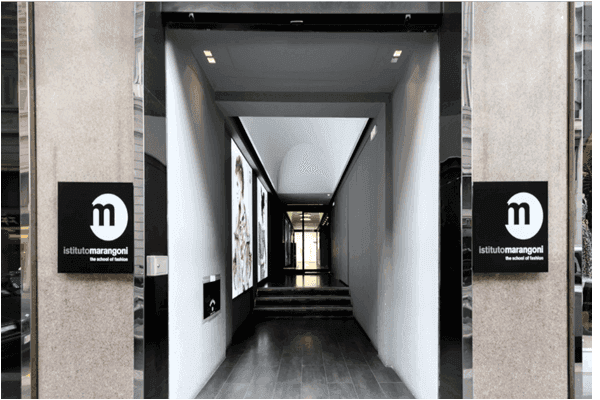
Known for its luxury fashion focus, Marangoni is one of the most prestigious fashion schools in the world. It offers a wide range of bachelor's and postgraduate programs in fashion design, styling, and business.
- Popular Programs: Fashion Design, Fashion Styling, Fashion Business, Luxury Brand Management.
- Languages: Courses are taught in English or Italian (depending on campus).
- Campuses: Milan (flagship), Paris, London, Florence, and more.
- Admissions: Application form, CV, motivation letter, high school diploma or bachelor's degree (for postgraduate), and a portfolio (for design courses). No standardized test required.
- Interview: Often includes a motivational interview (online or in-person).
Domus Academy – Milan
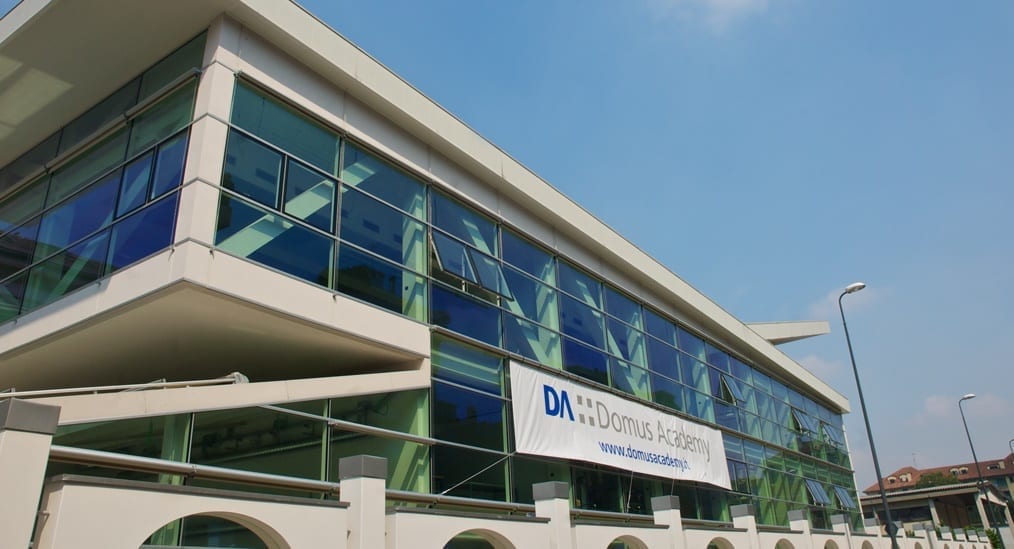
Focused on postgraduate studies, Domus is known for its innovation and research in design, with close ties to the fashion industry.
- Popular Programs: Master in Fashion Design, Master in Fashion Styling & Visual Merchandising, Master in Fashion Management.
- Languages: English only.
- Admissions: Bachelor's degree, portfolio (for design programs), CV, motivation letter, and interview.
- Special Bonus: Many programs are project-based with internships included.
NABA (Nuova Accademia di Belle Arti) – Milan & Rome
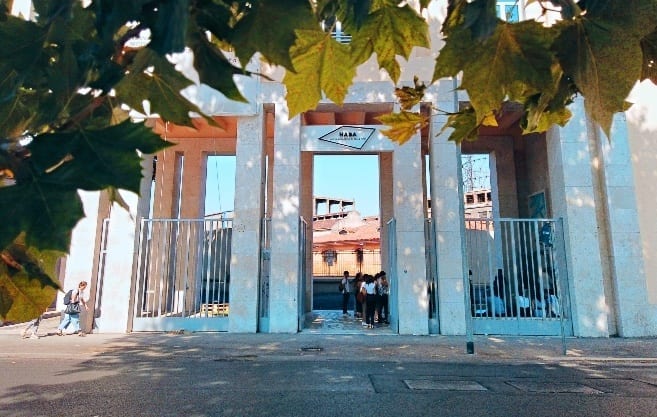
A modern and creative fashion school known for its artsy, hands-on approach.
- Popular Programs: Fashion Design (BA & MA), Textile Design, Fashion Marketing.
- Languages: Italian and English options.
- Admissions: Online application, portfolio (for creative programs), high school diploma or bachelor's degree, and a motivational interview.
- Entry Exams: Some programs may require a basic artistic assessment.
IED (Istituto Europeo di Design) – Milan, Rome, Florence, Barcelona, Madrid, Paris
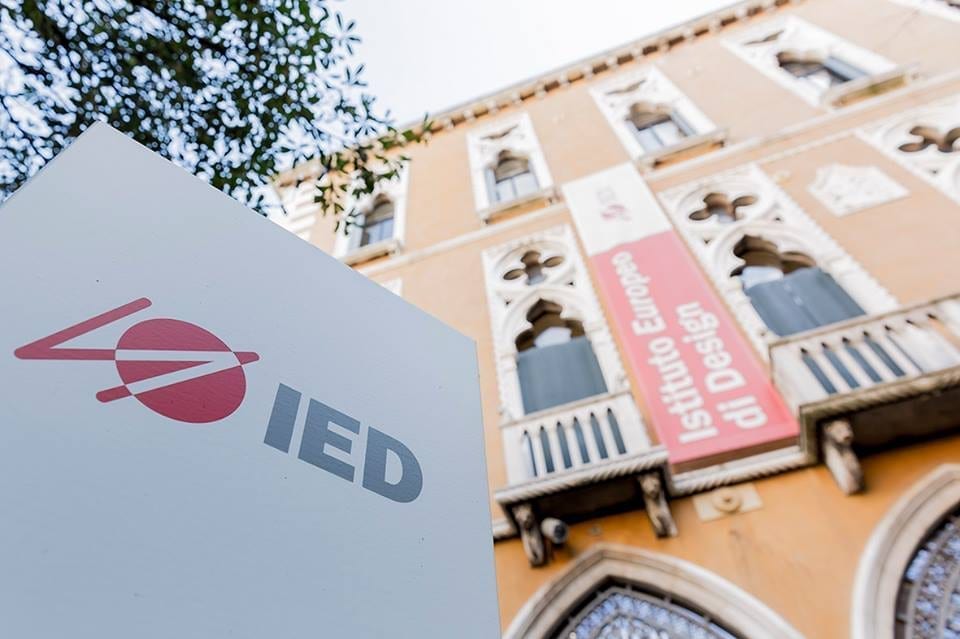
IED combines a global vision with local creativity, offering fashion programs across several European cities.
- Popular Programs: Fashion Design, Fashion Styling, Fashion Marketing and Communication.
- Languages: English, Spanish, or Italian depending on the city.
- Admissions: Application form, motivation letter, portfolio (for design courses), school transcripts, and in some cases, an interview.
- Bonus: Many IED campuses are in fashion-forward cities—great for building a creative network.
What’s the Admissions Process Like?
It’s usually simpler than traditional university applications! Most fashion schools in Europe require:
- An online application
- Your academic transcripts (high school for undergrad; bachelor's for master’s)
- A motivation letter or personal statement: Show your passion for fashion and explain why you chose the school/program.
- A CV or résumé
- A portfolio (for design programs): This is crucial! It should showcase your creativity, sketching ability, design thinking, and/or fashion projects.
- An interview: Some schools conduct an online or in-person interview to learn more about you and your ambitions.
Creating a Winning Portfolio for Fashion School Applications
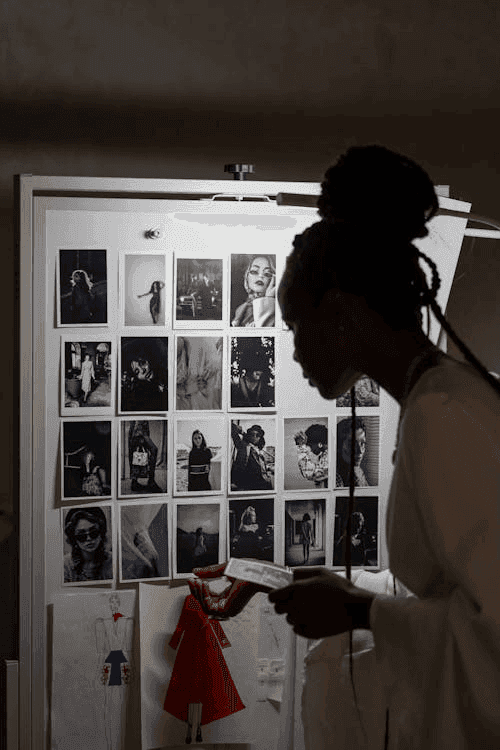
Your portfolio is the heart of your application when you're looking to join a fashion or design program in Europe! Whether you're aiming for Istituto Marangoni, NABA, IED, or Domus Academy, the admissions teams want to see your creativity, originality, and technical skills shine through—not just flawless sketches. So, let’s talk about how to put together a portfolio that truly stands out and represents you!
What Is a Fashion Portfolio, Really?
A fashion portfolio is like a visual scrapbook of your most amazing creative work! It showcases your unique artistic identity, your design thinking, and how you turn your ideas into stunning visual concepts. You can think of it as your creative autobiography: it tells the story of your style, your creative process, and all the exciting potential you have. It's a wonderful way to share your journey and passion for fashion with others!
What Do European Fashion Schools Expect?
Most European fashion schools ask for:
- 8–15 pieces of original work (can include drawings, photos, garments, digital projects)
- A PDF file or online portfolio link (like Behance)
- Clear titles and short descriptions of each project
- Bonus points for including personal, self-initiated work
Domus and Marangoni love complete design projects. IED and NABA are more flexible and open to mixed media and exploration.
What to Include: The Must-Have Portfolio Ingredients
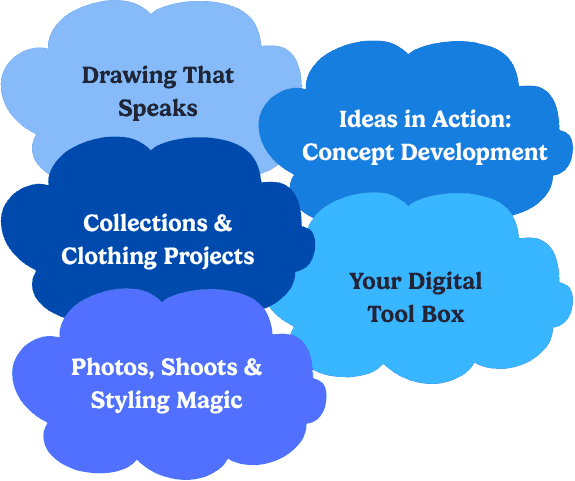
Here’s how to mix the perfect creative recipe:
1. Drawings That Speak
- Hand-drawn fashion illustrations (color and black & white)
- Technical drawings (flat sketches, construction diagrams)
- Figure studies, material patterns, and textile ideas
Pro Tip: Don’t just draw clothes—show how they move, fit, and flow.
2. Ideas in Action: Concept Development
- Moodboards, color palettes, and fabric swatches
- Inspiration sources (culture, architecture, subcultures, nature)
- Visual research and experimentation
- Sketchbook pages showing your process and evolution
Tip: Admissions teams love to see how you think, not just the final design.
3. Collections & Clothing Projects
- Completed mini-collections with multiple looks
- Garment photos or prototypes you've made
- Fabric manipulation or pattern experiments
- 3D mock-ups or digital draping (CLO3D, Marvelous Designer)
Not a sewing pro yet? That’s okay. Focus on the design story, not perfection.
4. Your Digital Toolbox
- Digital sketches (Illustrator, Photoshop)
- Fashion branding and layout design
- Campaign visuals or mock social media content
Especially key if you're applying for Fashion Business or Styling tracks.
5. Photos, Shoots & Styling Magic (Optional but Powerful)
- Fashion photography or styled editorials
- Visual storytelling series
- Short videos, lookbooks, or campaigns
IED and Domus LOVE seeing visual direction and styling skills in action.
What Are Schools Really Looking For?
You don’t need to be a technical genius or a pro patternmaker yet. What matters most is your vision. Here's what makes portfolios pop:
What They Love
How You Show It
Creativity
Original concepts, unconventional materials, bold ideas
Skill & Effort
Clean drawings, careful layout, cohesive ideas
A Strong Process
Step-by-step progression from idea to final result
Passion
Self-driven projects, experimental ideas
Storytelling
Work that connects emotionally and conceptually
Format, Size, and Layout Tips
- Format: High-res PDF (recommended max size: 10–20 MB) or personal website (e.g., Behance, Adobe Portfolio)
- Length: Around 10–15 strong pages/projects
- Language: English preferred (even in Italy or Spain)
- Label everything: Project name, medium used, date, description
- Order: Start and end with your most impressive work
Think like a curator: Less clutter, more clarity.
Final Tips to Make It Shine
- Tailor it: Show your range, but align it with each school’s personality (e.g., more styling for IED, more branding for Domus).
- Show YOU: Don’t copy Pinterest trends, show your creative voice by include personal projects, not just class assignments
- Keep it fresh: Update your portfolio regularly and don’t submit old work unless it’s amazing
- Get feedback: Ask mentors or professionals (or Zenith!) for input.
- Confidence is key: If you love your work, it shows
Do You Need an Entrance Exam?
Good news! Most fashion schools in Europe do not require standardized tests like the SAT, GMAT, or IELTS (if you’ve studied in English). Instead, they focus on your portfolio, creativity, and motivation.
Some exceptions:
- IELTS or TOEFL might be needed if your previous studies weren’t in English.
- A basic drawing test or task may be requested during the application process (especially at NABA or IED).
Bachelor's or Master's—What’s Right for You?
- Bachelor's Programs (BA): Ideal if you're just finishing high school or looking to shift from another field.
- Postgraduate Programs (MA or 1-Year Masters): Perfect if you’ve already done a bachelor’s in any field and want to specialize in fashion or design.
Pro tip: You don’t need a fashion background to apply for a master’s! Many schools welcome students from other fields like business, communication, or the arts.
Life After Fashion School
Graduates from these schools go on to work for top brands like Gucci, Prada, Dior, Zara, and more—or even launch their own labels! Programs are usually hands-on, full of industry projects and internship opportunities to help you make real connections.
Ready to Apply?
At Zenith Education, we specialize in helping international students apply to top European fashion schools. Whether you need help with your portfolio, preparing for your interview, or writing a killer motivation letter, we’re here to guide you every step of the way.
Next step
Planning a bachelor's application?
We support students from the first "what should I study?" to the day they arrive on campus, with strategy, application expertise, and global university insight.
See bachelor's guidanceWant to find out more?
Message us on WhatsApp for a quick answer, or book a free consultation. No pressure either way.