
AI & Careers
Fast Fashion vs. AI: Who’s Winning the Style Wars?
Artificial Intelligence (AI) is everywhere — and the fashion world is no exception. AI is helping brands design clothes, manage stores, and even predict the…
By the Zenith Education team
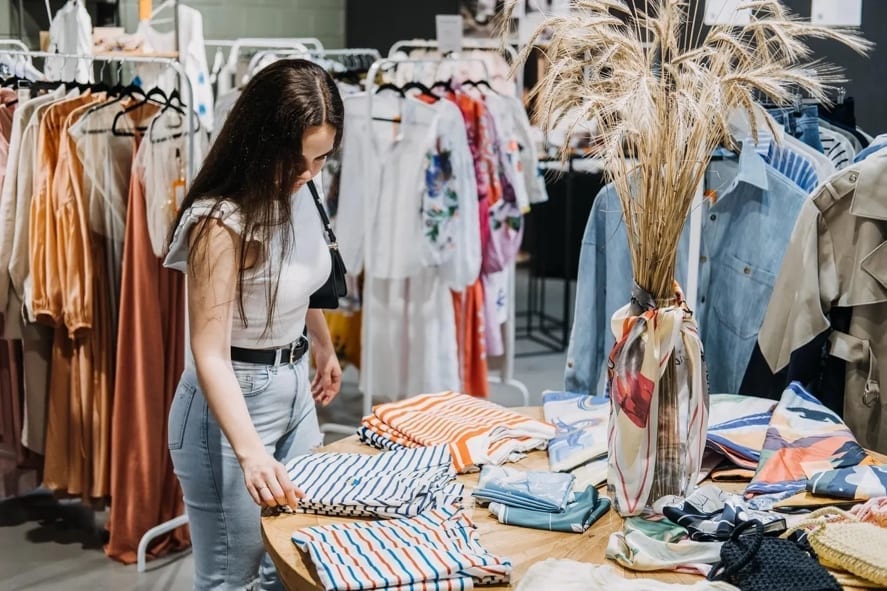
Artificial Intelligence (AI) is everywhere — and the fashion world is no exception. AI is helping brands design clothes, manage stores, and even predict the next big trend. While many in fashion love how efficient and creative AI can be, others worry about how it might affect jobs, creativity, and ethics.
- In 2024, a McKinsey study found 67% of fashion leaders think AI helps their business.
- But some are concerned about job loss, over-automation, and loss of creativity.
AI’s Role in Fashion Today
AI is helping with:
Personalized Shopping
- Companies like Stitch Fix and ASOS use AI to suggest clothes based on your shopping habits and preferences.
Smarter Design
- Tools like IBM Watson and Google DeepMind help designers spot trends, create patterns, and plan new collections.
Better Customer Service
- Chatbots from brands like Sephora and Nike answer questions anytime.
- In stores, AI helps monitor shelves and prevent theft.
Social Media Trend Tracking
- Brands like H&M and Zara use AI to scan platforms like Instagram to predict what styles will be popular.
Big Changes in the Fashion Industry
AI is doing more than just helping — it’s transforming how clothes are made and sold.
Automating Repetitive Tasks
- AI tools like Heuritech scan social media for fashion trends.
- Vue.ai helps with visual styling and store displays.
Smarter Production
- Brands like Adidas and Uniqlo use AI to manage manufacturing, reduce waste, and avoid overproduction.
Zenith Opinion
AI is changing how fashion works. Future fashion careers will need both creativity and tech skills.
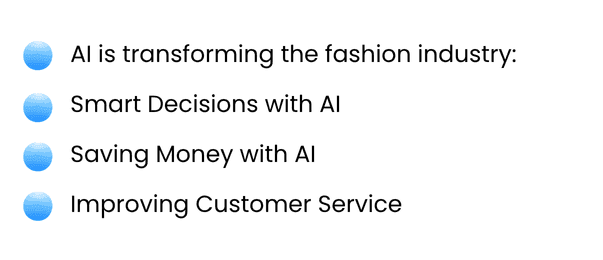
Smarter Decisions with AI
AI tools like Edited, Omnilytics, and Google Cloud’s Vertex AI help companies:
- Set the right prices
- Predict what products will sell
- Order the right amount of inventory
Zenith Opinion
AI helps make smart choices, but human creativity and vision are still important in fashion.
Saving Money with AI
AI helps brands cut costs by:
- Making production faster and more accurate
- Using robots and automation
- Reducing returns with virtual fitting rooms like Metail
Fun Fact:
AI can cut production costs by 15–30% and improve efficiency by 50%.
Zenith Opinion
AI makes fashion more efficient and eco-friendly — but it also means fewer traditional jobs.
Improving Customer Service
AI makes shopping easier and more fun with:
- Personalized product suggestions
- Fast answers through chatbots
- Virtual try-ons using tools like Modiface (L’Oreal) and Gucci’s AR fitting rooms
Zenith Opinion
AI helps customers shop smarter and faster, but human stylists are still key, especially in luxury fashion.
Problems and Ethical Issues with AI in Fashion

AI Failures
- In 2023, a fashion brand’s pricing AI accidentally raised prices, upsetting customers.
- Ticket prices for concerts jumped from €160 to €400 due to AI pricing.
Biased AI
- AI can be unfair if it’s trained on biased data.
- Example: Amazon’s hiring AI once favored male candidates.
Job Loss
- Ocado, a UK company, cut 500 jobs in 2025 due to AI productivity.
Zenith Opinion
AI is powerful but can make mistakes. People are still needed to check its work and make fair choices.
Why Human Skills Still Matter
AI is smart, but it can’t:
- Be truly creative like a human designer
- Understand feelings or customer emotions
- Make ethical decisions about things like sustainability and fair labor
Fashion needs people who can:
- Balance trends with values
- Understand diverse cultures
- Make meaningful designs and experiences
Zenith Opinion
AI can help, but it can’t replace human empathy, ethics, and imagination.
The Future of AI in Fashion
What’s Coming Next?
- AI will become essential in fashion.
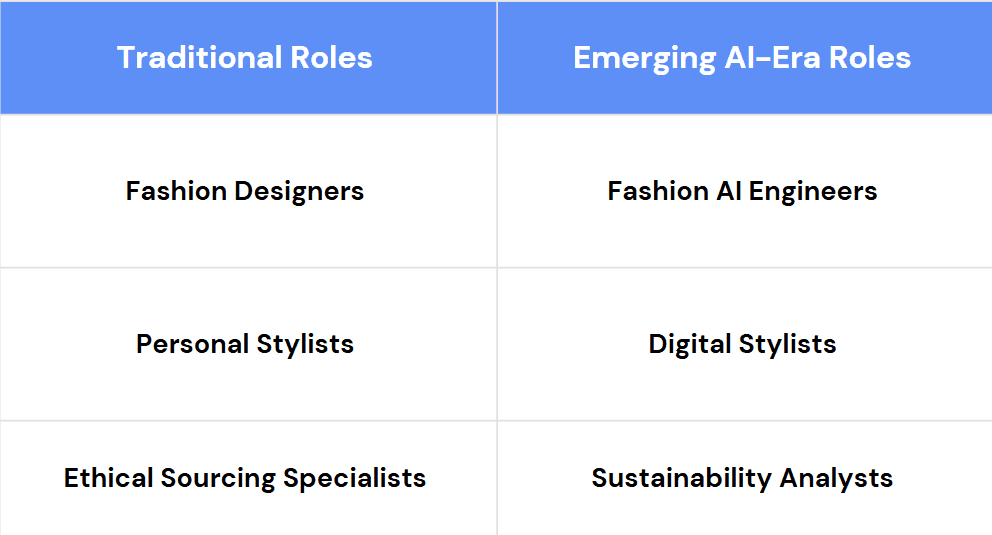
- New jobs will appear, like:
- Fashion AI Engineers
- Digital Stylists
- Sustainability Analysts
McKinsey Reports Say:
- 75% of fashion execs are focused on AI for predicting demand and reducing costs.
Zenith Opinion
AI will help brands be more creative and sustainable — but they must use it responsibly.
AI as a Fashion Assistant
By 2030, AI will help with:
- Spotting trends early
- Designing clothes faster
- Creating more sustainable fashion lines
But as AI takes over repetitive jobs like fabric sourcing and trend analysis:
- Some entry-level jobs may disappear
- New jobs will need people with both fashion and tech skills
Zenith Forecast
Expect a 10–15% drop in traditional jobs, but more tech-savvy fashion careers will emerge.
A Creative Future with AI + People
Fashion is about style, identity, and expression — and that can’t be done by machines alone.
- AI will help with routine tasks.
- But humans are needed for:
- Big ideas
- Ethical choices
- Cultural understanding
To succeed in tomorrow’s fashion world:
- Learn both creative and tech skills.
- Stay curious and open to new tools.
- Use AI to support, not replace, your imagination.
Final Thought from Zenith
AI is changing fashion — but the heart of the industry will always be human creativity and values. The future belongs to people who know how to work with technology while staying true to the art of fashion.
Want to find out more?
Message us on WhatsApp for a quick answer, or book a free consultation. No pressure either way.