
AI & Careers
Smart Sports: How AI is Changing How We Play & Compete
AI (Artificial Intelligence) is changing the sports world in big ways. From helping athletes avoid injuries to making better game plans and improving the fan experience, AI is everywhere.
By the Zenith Education team
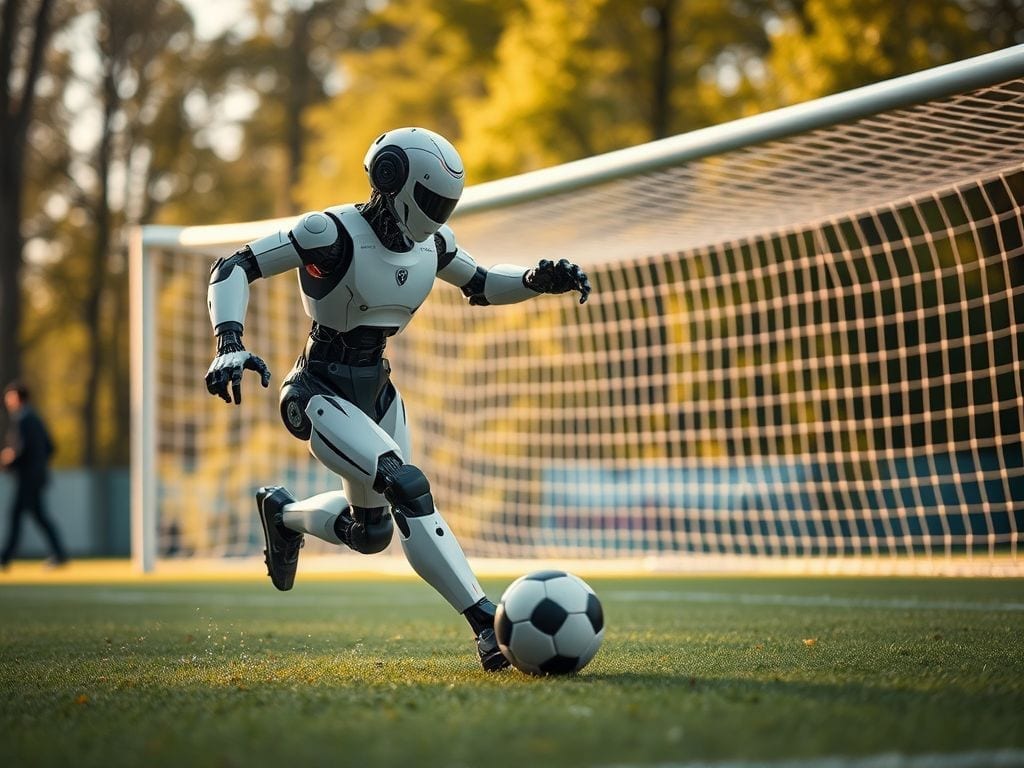
What’s AI Doing in Sports?
AI (Artificial Intelligence) is changing the sports world in big ways. From helping athletes avoid injuries to making better game plans and improving the fan experience, AI is everywhere. It’s helping:
- Analyze games and player performance
- Predict injuries before they happen
- Personalize content for fans
- Support coaches, scouts, and team doctors
At the same time, some jobs are changing or disappearing, while new careers are being created. But can AI really replace a coach’s instincts or a player’s experience? Let’s dive in.
How Bots Are Changing the Game

Key Uses of AI:
- Player Tracking: Tools like Catapult and STATSports monitor speed, heart rate, and fatigue to help coaches adjust training.
- Injury Prevention: AI predicts injuries using data from movements and past injuries, helping teams avoid serious problems.
- Game Analysis: Systems like Wyscout break down every moment of a game — passes, tackles, and positions — to give detailed reports.
- Smart Fan Experiences: AI recommends tickets, creates custom content, and even controls stadium lights or temperature.
- Officiating Help: Tools like Hawk-Eye and VAR make more accurate calls in real-time for sports like tennis and soccer.
Bottom Line: AI is helping teams train smarter, play safer, and connect better with fans — without taking away the heart of the game.
How the Sports Industry Is Changing
- AI platforms like Second Spectrum and Zone7 help teams manage training, reduce injuries, and plan smarter strategies.
- Wearable tech and video analysis speed up coaching decisions and reduce the need for long manual reviews.
- AI is also changing how fans watch and enjoy sports — through personalized content and smarter stadium services.
Zenith’s View: AI is opening up exciting new roles in sports, from data science to digital fan engagement. Athletes and coaches will still lead, but they’ll have powerful tools to support them.
Smarter Decisions, Faster Results
Better Decision-Making with AI:
- Predicts player fatigue or risk of injury
- Helps coaches plan training or game tactics
- Provides live stats and analysis during matches
Example tools: Playermaker, Hudl, IBM Watson for Sports
Coaches still make final calls — AI just gives them better info, faster.
Cutting Costs and Boosting Efficiency
- AI automates tasks like game analysis, scouting, or even writing match commentary.
- This frees up coaches and staff to focus on leadership, team culture, and strategy.
- Studies show that 40%–60% of tasks in sports could be automated — and that number is growing.
Zenith’s View: AI saves money and time, but real people are still needed to mentor, lead, and make tough decisions.
Improving Athlete Support
AI helps with:
- Injury Prevention: Detects patterns in training that may lead to injuries.
- Player Health Monitoring: Tracks heart rate, sleep, and movement for early warnings.
- Tactical Suggestions: Offers real-time advice based on live game footage.
Coaches and sports scientists use this info to make quick, smart decisions. But only humans can truly understand an athlete’s emotions, struggles, or team dynamics.
Challenges and Ethical Issues
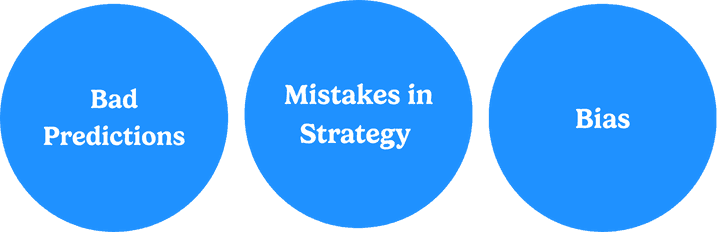
AI Isn’t Perfect
- Bad Predictions: A system might wrongly say a player is likely to get hurt, costing them game time.
- Mistakes in Strategy: AI might make suggestions that don’t work in real games.
- Bias: If AI is trained on unfair or limited data, it could favor certain players or styles.
Privacy Risks: AI systems handle sensitive info (injuries, performance, strategy). If hacked, it could give opponents an edge.
Zenith’s View: We need strong rules, smart oversight, and human checks to make sure AI supports — not harms — athletes and teams.
Can AI Replace Humans in Sports?
Not really.
What AI Can’t Do:
- Understand the mental state of a player
- Read team chemistry or emotional momentum
- Make moral or empathetic decisions
- Adapt instantly to chaos, like surprise injuries or weird referee calls
Example: AI may suggest removing a tired player, but only the coach can know if they’re in the “zone” and should stay in.
Zenith’s View: AI helps, but humans inspire, lead, and feel the game. Those things can’t be coded.
What’s Next for AI in Sports?
The Future Is Here (Almost)
- AI tools are being used to:
- Track performance in real time
- Scout new talent
- Create virtual fan experiences
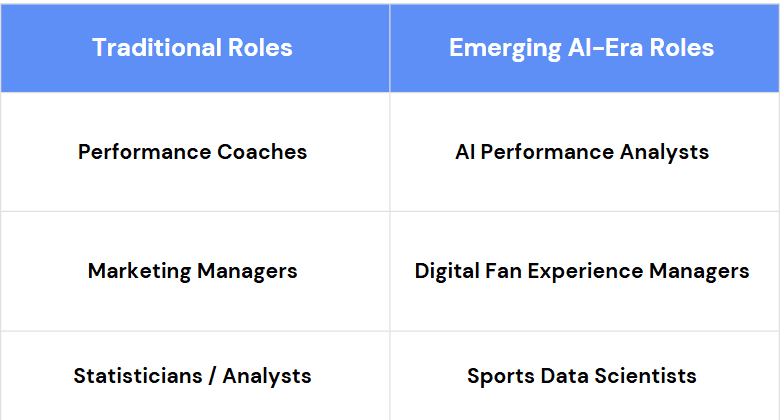
- New jobs are popping up, like:
- AI performance analysts
- Digital fan experience managers
- Sports data scientists
Zenith predicts a 10–15% drop in traditional roles (like manual scouting), but new roles will rise that mix sports and tech skills.
Human + AI = The Winning Team
What’s Changing?
- Coaches and analysts will shift from collecting data to making strategic decisions using AI tools.
- AI will handle more of the “number crunching” while people focus on leadership, safety, and ethics.
- Teams will need staff who understand both sports and technology.
As ChatGPT put it:
“By 2030, AI will be an indispensable tool in performance, strategy, and fan engagement. Those who embrace it will lead the way.”
Final Thoughts
AI in Sports Is:
- A tool for better training, safer athletes, and happier fans
- Not a replacement for human judgment, emotion, or fairness
- Changing jobs — not taking them away
Zenith’s Message:
- AI will keep growing in sports, but coaches, doctors, and leaders will still play the most important roles.
- Students interested in sports careers should build both sports knowledge and tech skills.
- The future of sports will be a team effort — with humans and machines working together.
Want to find out more?
Message us on WhatsApp for a quick answer, or book a free consultation. No pressure either way.