
AI & Careers
The AI Factory: How Smart Machines Are Revolutionizing Manufacturing
Artificial Intelligence (AI) is changing how factories and supply chains work. It helps design better products, keep machines running smoothly, and make smar…
By the Zenith Education team
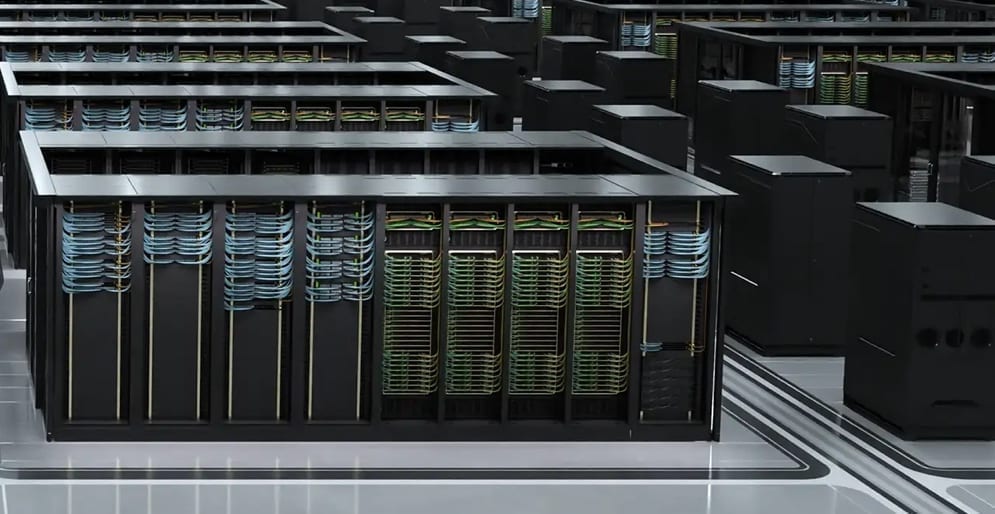
Artificial Intelligence (AI) is changing how factories and supply chains work. It helps design better products, keep machines running smoothly, and make smart decisions in real time.
A global survey in 2024 found that 70% of professionals in manufacturing and operations believe AI has a positive impact. But as exciting as AI is, people are also worried about things like job loss, safety, and ethics.
What Is AI Doing in Manufacturing Today?
Key Roles of AI:
- Smarter Designs: AI tools like Generative Design create lightweight, strong parts for cars and planes.
- Predictive Maintenance: Platforms like Siemens MindSphere and IBM Maximo collect machine data to spot problems before they happen — saving time and money.
- AI-Powered Robots: These machines handle repetitive tasks like welding or inspection, working nonstop with high accuracy.
- Supply Chain Intelligence: AI predicts demand, manages inventory, and organizes deliveries more efficiently.
- Real-Time Quality Control: AI systems spot defects instantly during production, keeping standards high.
Bottom Line: AI helps factories work faster, smarter, and more safely — while reducing waste and downtime.
AI's Real-World Impact on Mechanics and Operations
- AI platforms are already doing tasks like checking machinery health, predicting when things will break, and helping machines run better.
- Robots now handle delicate tasks like assembling parts and checking quality.
- Maintenance is becoming smarter — AI systems plan repairs ahead of time, preventing unexpected breakdowns.
Zenith’s View: AI boosts efficiency and opens new career paths. People will need a mix of technical skills and AI know-how to lead in this changing world.
Better Decisions, Lower Costs
Improved Decision Making
- AI doesn’t just fix problems — it prevents them.
- It uses real-time data from machines to make smart choices instantly.
- Maintenance, scheduling, and performance tracking are now easier and more accurate.
Lower Operational Costs
- 40% to 60% of routine factory tasks could already be automated.
- AI reduces manual work like planning repairs or checking systems.
- Workers can focus on creative and strategic tasks instead of repetitive ones.
Zenith’s View: AI cuts cost and increases productivity, but humans are still needed for big-picture thinking and solving tricky problems.
AI and Customer Service in Manufacturing
AI helps factories serve clients better by:
- Predicting problems and fixing them before they happen.
- Offering real-time support without waiting for a human to step in.
- Helping with design improvements based on how machines perform.
Zenith’s View: AI improves reliability and decision-making. But humans still play a key role in complex situations and judgment calls.
Challenges and Ethical Concerns

AI Failures and Risks
- AI can make mistakes — sometimes with serious consequences.
- For example, a robot might assemble something wrong or misread a machine's condition, causing damage or delays.
Biased Decisions
- If AI is trained on biased or limited data, it may make unfair or incorrect choices.
- Example: Over-maintaining some machines and ignoring others.
- There’s also a risk to data privacy if sensitive info is not protected properly.
Ethical Concerns
- Job Loss: AI might take over tasks done by humans.
- Lack of Human Judgment: AI doesn’t understand safety, fairness, or environmental impacts the way people do.
- No Empathy: AI can’t care about workers, communities, or ethical issues.
Zenith’s Message: AI must be used responsibly. Humans should always oversee AI decisions to make sure they’re safe, fair, and ethical.
The Future of AI in Manufacturing
What’s Ahead?
- Events like the Smart Manufacturing & AI Summit show how AI is improving everything from supply chains to factory floors.
- Companies are training workers to understand and use AI tools.
Zenith’s View: The future looks bright with AI — but it requires companies and workers to keep learning and adapting.
Human Involvement Still Matters
- AI will change jobs, not eliminate all of them.
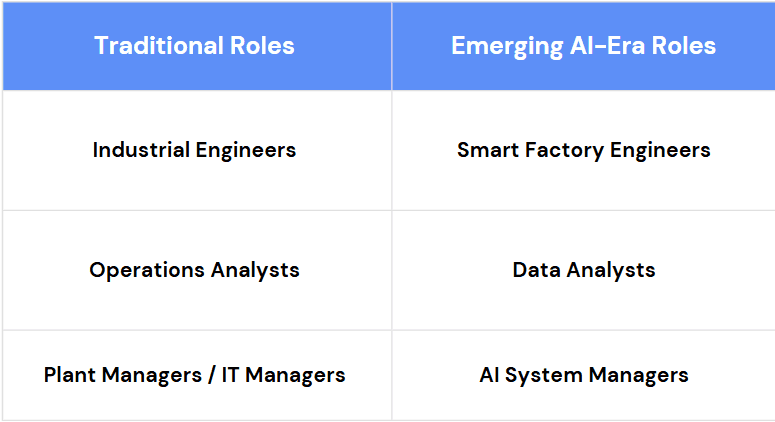
- New roles are being created:
- Smart factory engineers
- Data analysts
- AI system managers
Even with automation, human oversight is essential to make sure things stay safe and high-quality.
AI as a Partner, Not a Replacement
According to ChatGPT:
“By 2030, AI will be a vital tool in both production optimization and process innovation.”
Key Trends
- Routine jobs will shrink by about 10–15% over the next decade.
- Demand will grow for people who can blend engineering skills with digital and AI knowledge.
- Jobs like AI-integrated process engineers and industrial data analysts will rise.
Zenith’s Prediction: Human-AI teamwork will define the future. Upskilling is key to staying ahead in a more automated world.
Final Takeaways
What AI Brings:
- Greater efficiency and productivity
- Smarter designs and fewer errors
- Safer and faster factories
What We Must Watch:
- Bias in decision-making
- Job displacement
- Ethical and safety concerns
What’s the Right Approach?
- Use AI to support (not replace) human workers.
- Build teams where humans + AI work together.
- Train workers to take on new, tech-driven roles.
Zenith’s Final Word: AI won’t replace the core of engineering and operations — but it will change how we work. Success in the future will depend on blending human intelligence with machine power, always guided by ethics, safety, and common sense.
Want to find out more?
Message us on WhatsApp for a quick answer, or book a free consultation. No pressure either way.